ARC, a Multi-Robot
Intelligence
System
based on NAVER CLOUD
and 5G
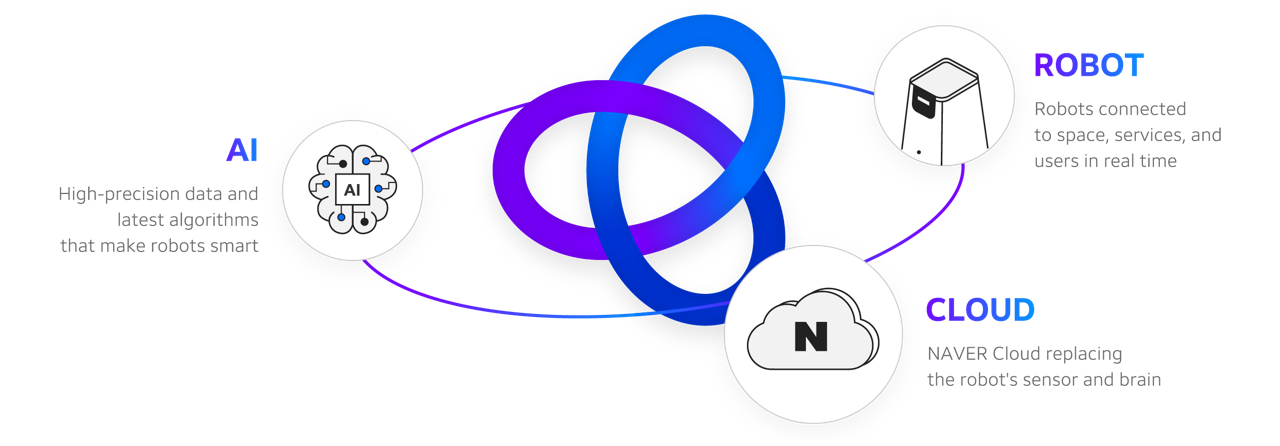
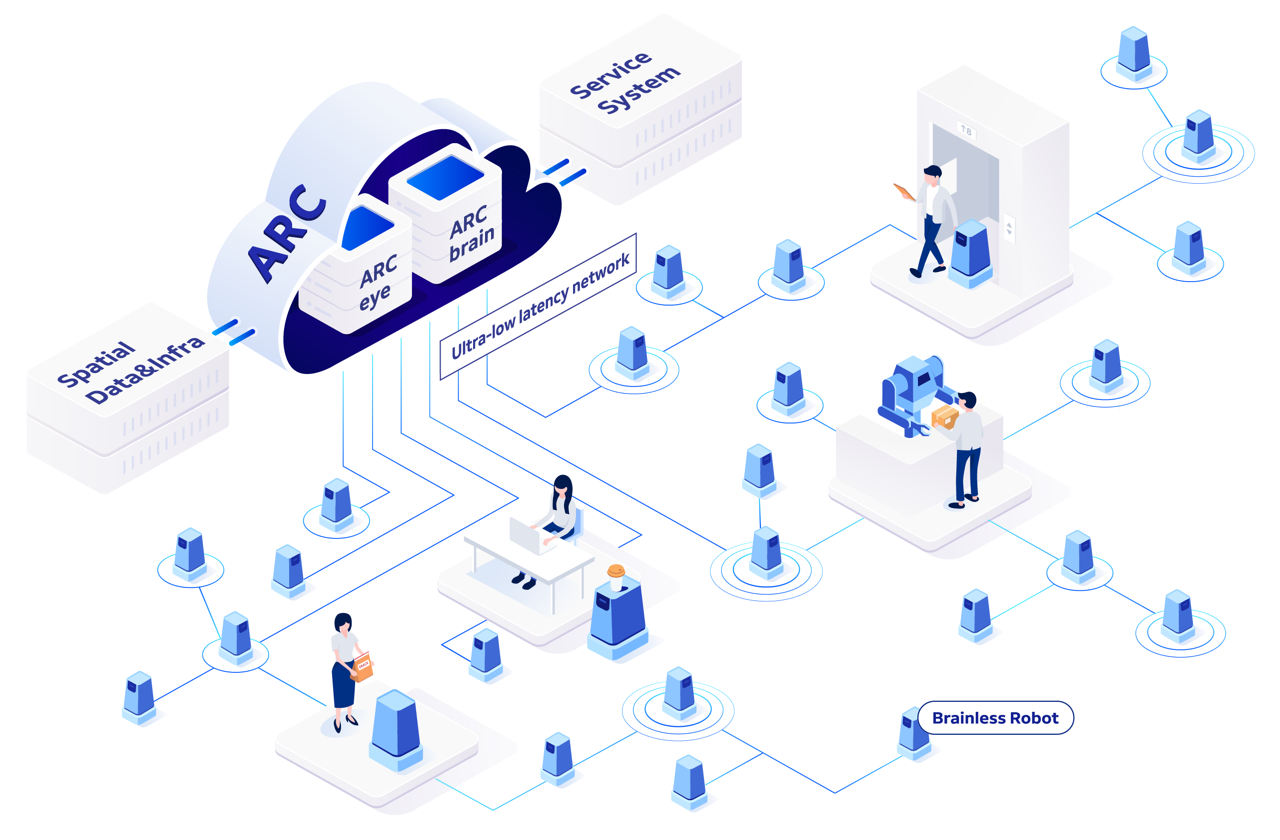
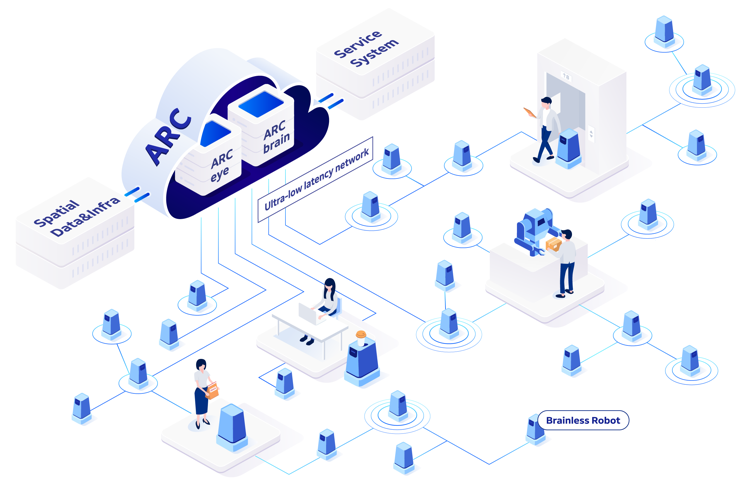
ARC, short for “AI, Robot, Cloud,” includes the latest algorithms and high precision data required for human-robot coexistence. Now with ultra-low latency networks, many robots can simultaneously become smarter, just by connecting to ARC. “ARC Eye” serves as the eyes for all robots, accurately determining the current location and route even indoors where there is no GPS access. “ARC Brain” is the computing system shared simultaneously by all robots, which plans and processes movement, localization, and task performance for the robot. Furthermore, ARC understands and manages all online/offline environments between robots and humans by connecting with space and service infrastructure for robots in real time. ARC is the most innovative system that will lead the popularization of service robots.
One Intelligence for
All Robots
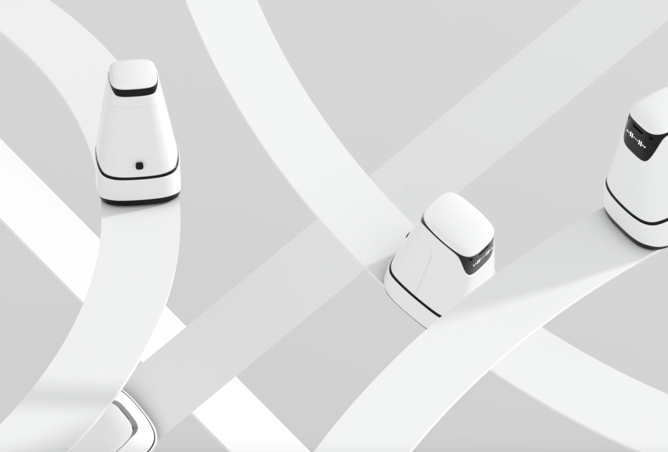
It is reported that access to the Internet decreases illiteracy rates in the area. Similarly, the introduction of ARC will be like opening up a new Internet connection to a world of robots. All robots connected to ARC will constantly receive information to better understand spaces and users. Because they are directly connected to buildings and service infrastructure, robots can roam around every part of the building as if it were their own home, to provide the most efficient service. ARC can also reduce robot manufacturing costs by substituting the role of expensive sensors and computing power, previously needed for navigation, perception, and calculation. From now on, every time ARC is updated, robots will also become smarter. A single massive intelligence for all robots, ARC will be commercialized for the first time in NAVER’s second office building, which is being constructed as the world’s first robot-friendly building.
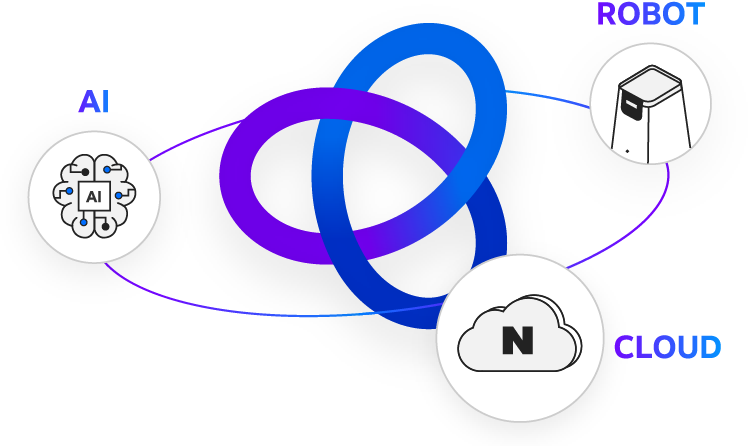
- AI
High-precision data and latest algorithsms that make robots smarts
- ROBOT
Robots connected to spave, sercives, and users in real time
- CLOUD
Naver Cloud replacing the robot's sensor and brain