RESEARCH
With the most original and advanced technology,
we create new connections between people, machines, spaces, and information
Robot & Physical AI
Robotic technologies are researched to enable natural coexistence with humans in everyday spaces. By leveraging AI that learns a robot’s vision, behavior, and interaction, key technologies for robot popularization are developed through the integration of autonomous driving platforms and human interaction technologies.
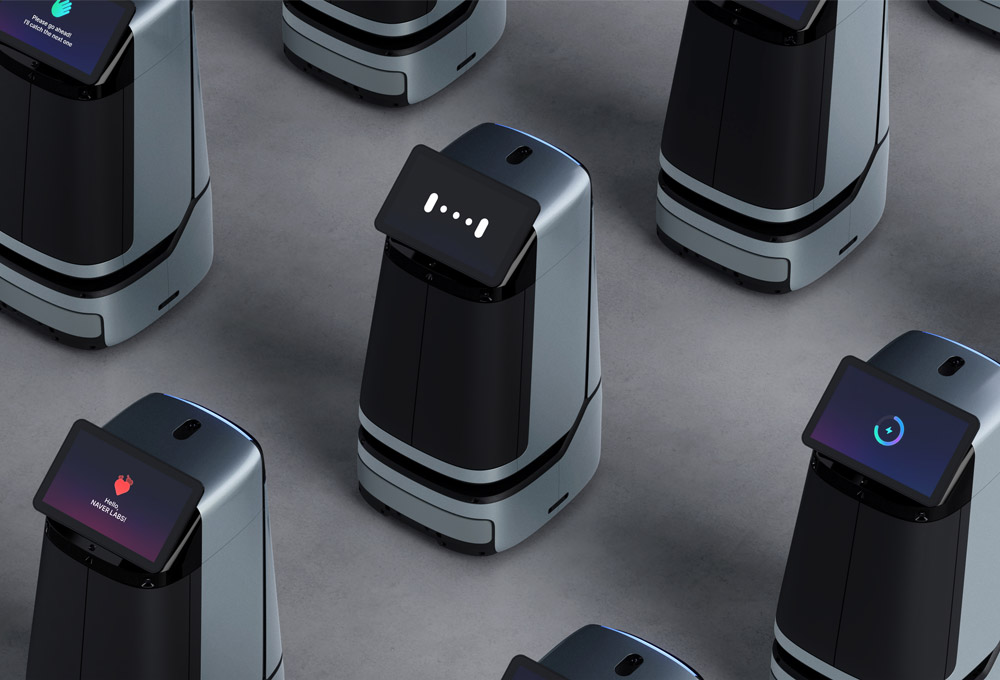
AI for Robotics
Robots are trained to see, move, and communicate using AI, while cloud-based physical AI expands the ability of multiple robots to share intelligence.
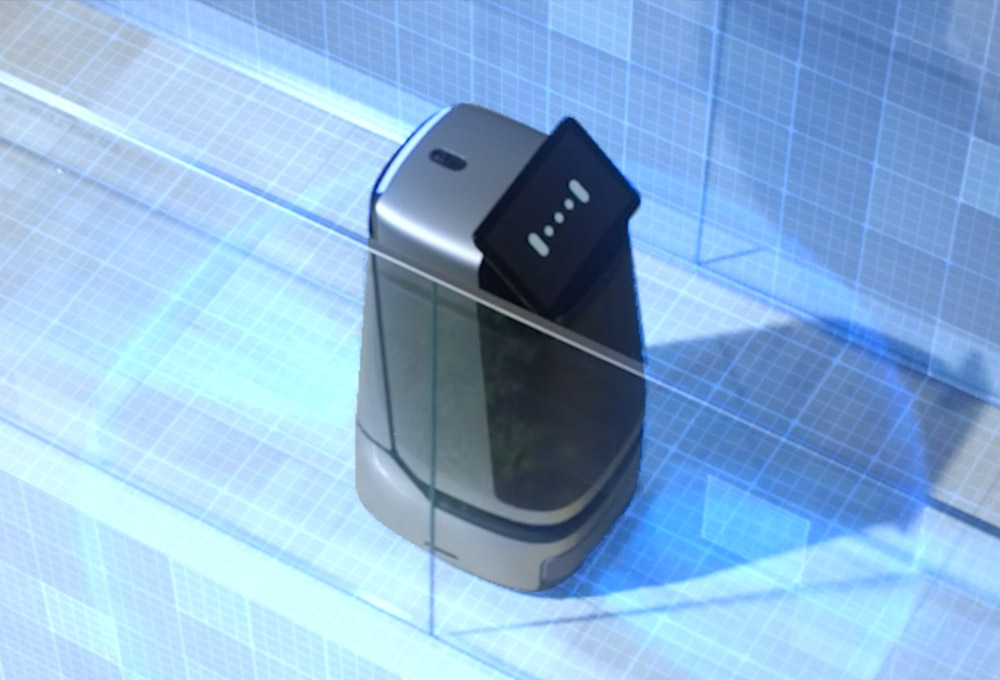
Cloud Robotics
A proprietary cloud-based autonomous robot platform is developed, validated in diverse environments, and continuously enhanced for real-world services.
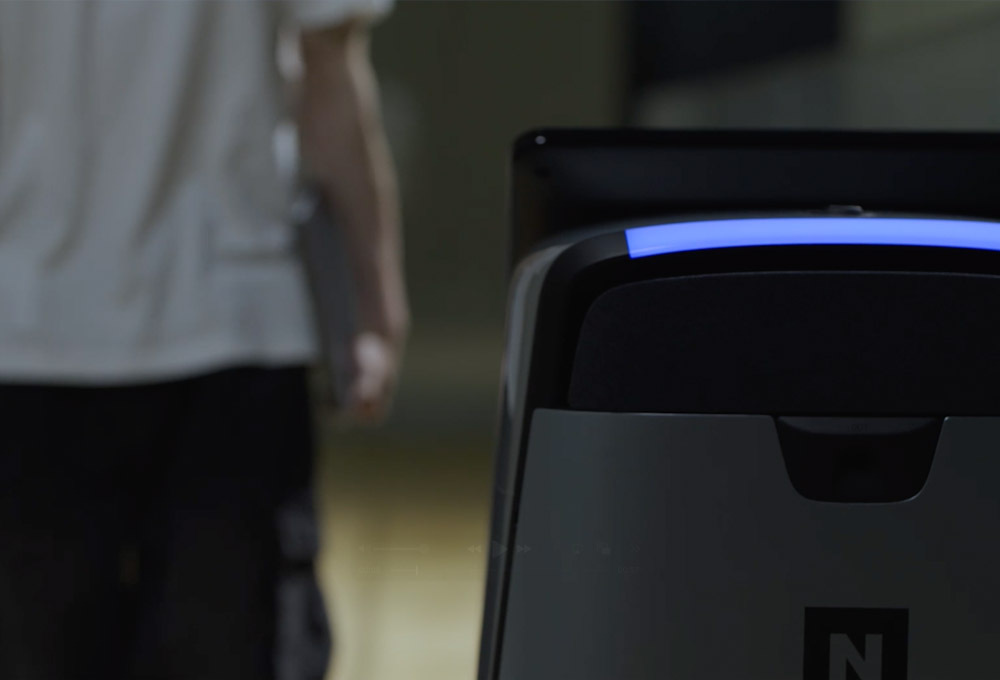
Human-Robot Interaction
HRI (Human-Robot Interaction) technologies are studied to improve user experience through optimal design, socially compliant navigation, and intuitive communication using expressions and lighting.
Vision & Spatial AI
Spatial AI technologies are researched to recognize and understand 3D spaces and interact with surrounding environments using AI-based vision. Foundational technologies are established to enable a wide range of spatial-based services.
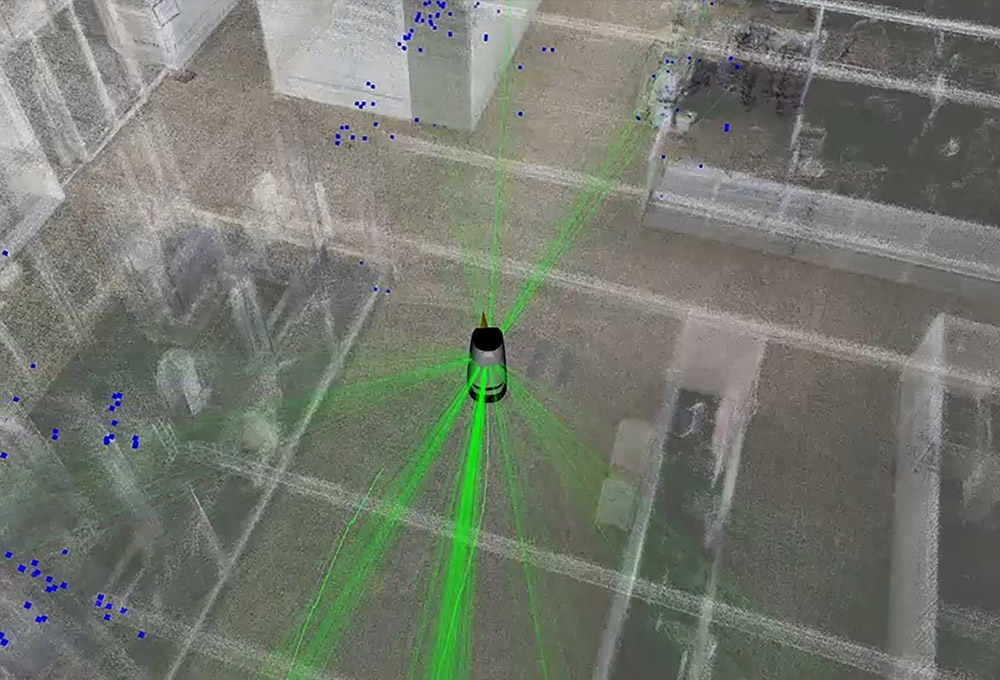
Mapping & Localization
Various spaces are accurately constructed in 3D using self-developed mapping robots and devices, alongside research on precise indoor and outdoor localization based on Vision AI.
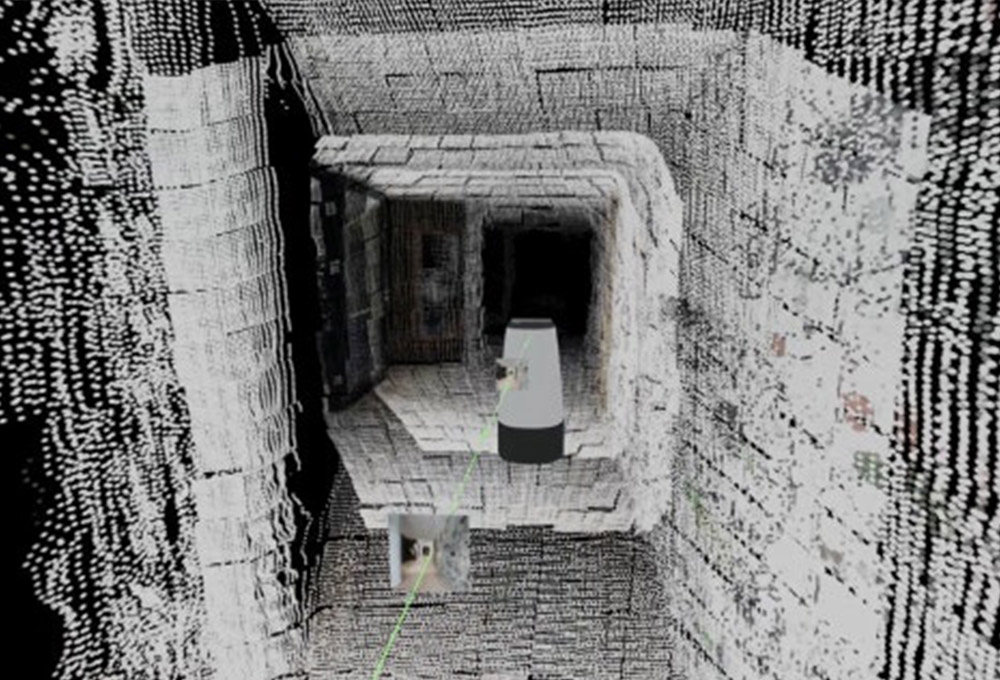
Foundation Models for Spatial AI
Spatial AI technologies are explored using foundation models trained on large-scale 3D data, enabling robots to understand 3D spaces and people and perform diverse tasks.
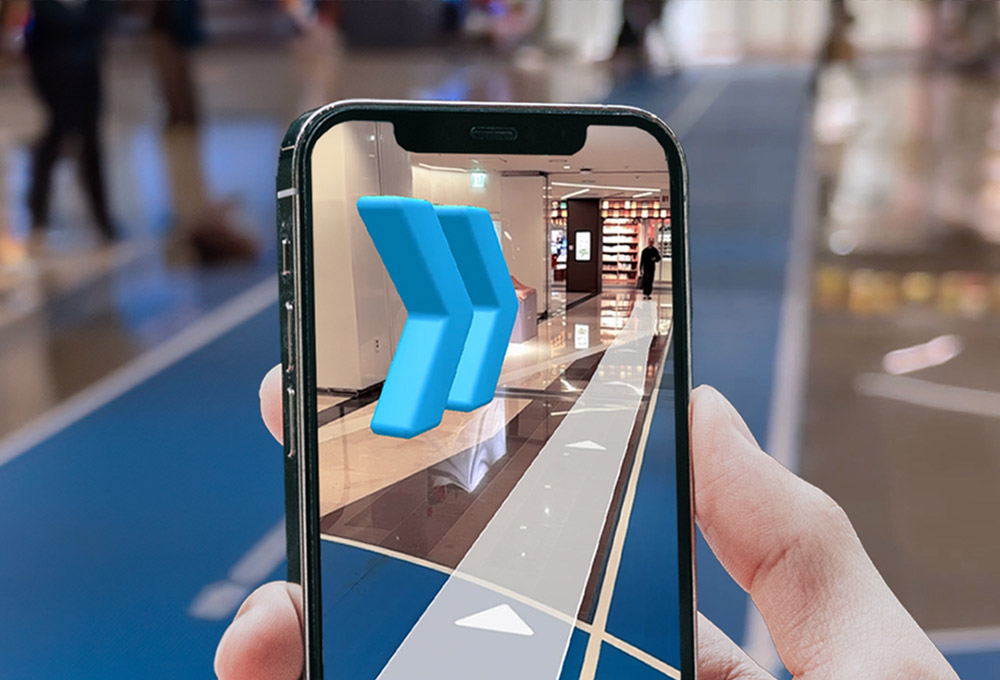
Spatial AI for Enhanced User Experience
Technologies required for future spatial-based services—including Naver services, robotics, next-generation XR (AR, VR, MR), autonomous driving, and smart cities—are actively studied.
Platform & OS
Platforms, operating systems, and OS technologies are developed for multiple robotic services, enabling robots to function as a unified system across interconnected environments rather than as isolated machines.
Multi-Robot Intelligence System
A cloud-based intelligent platform is built to allow numerous robots to operate as a single, organically connected system.
Vision-Based Localization System
Robots and machines are supported in recognizing and understanding real-time locations within physical spaces through digital twin and vision AI technologies.
Web Platform-Based Robot OS
Highly scalable, developer-friendly OS architectures are built to simplify the development and deployment of robotic services in web-based environments.
Digital Twin
Digital twin technologies are researched to accurately replicate city-scale environments in digital form, with core technologies developed to construct 3D data for lanes, roads, buildings, and entire cities.
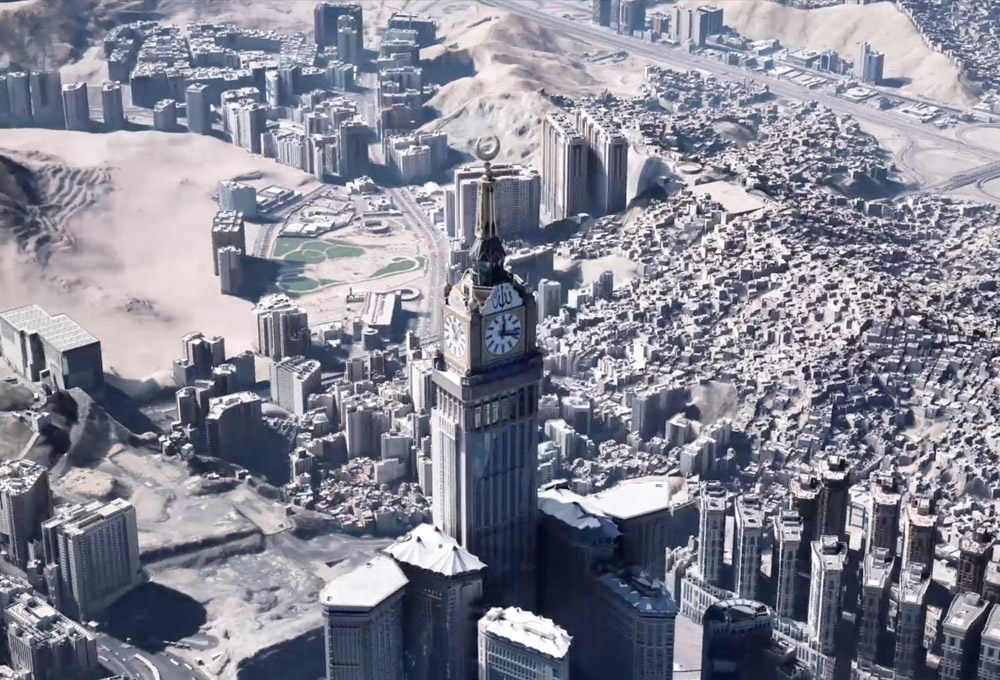
City-Scale 3D Modeling
Entire cities are rapidly and accurately implemented as 3D models using aerial imagery, AI-based mapping, and large-scale distributed processing technologies.
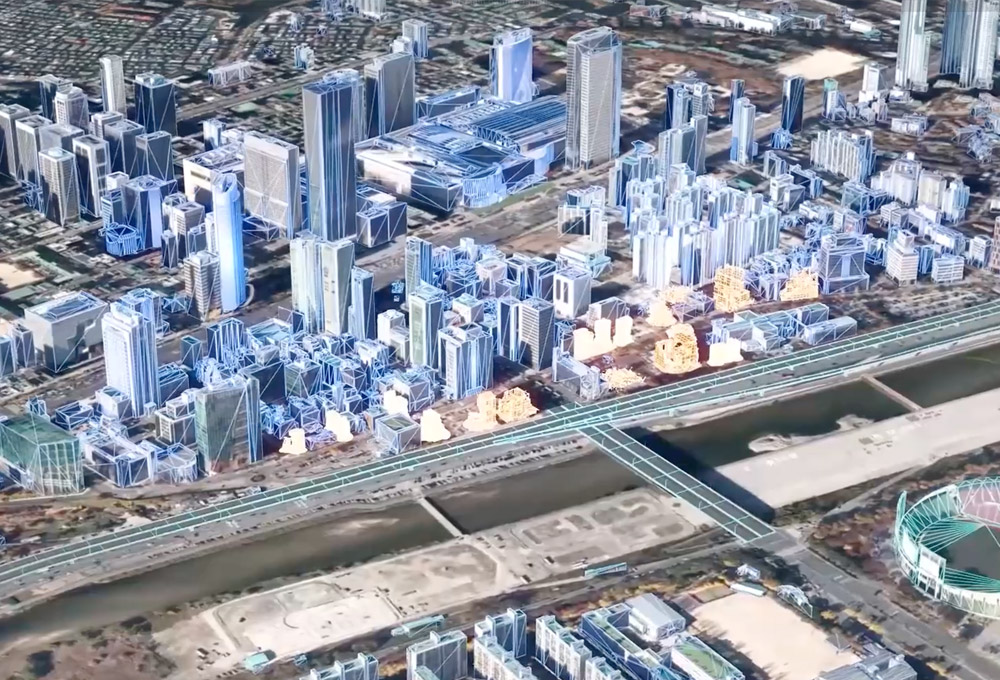
AI-Driven 3D Model Automation
Urban 3D models are enhanced in completeness and usability by restoring and generating areas that are difficult to verify through aerial imagery using AI.
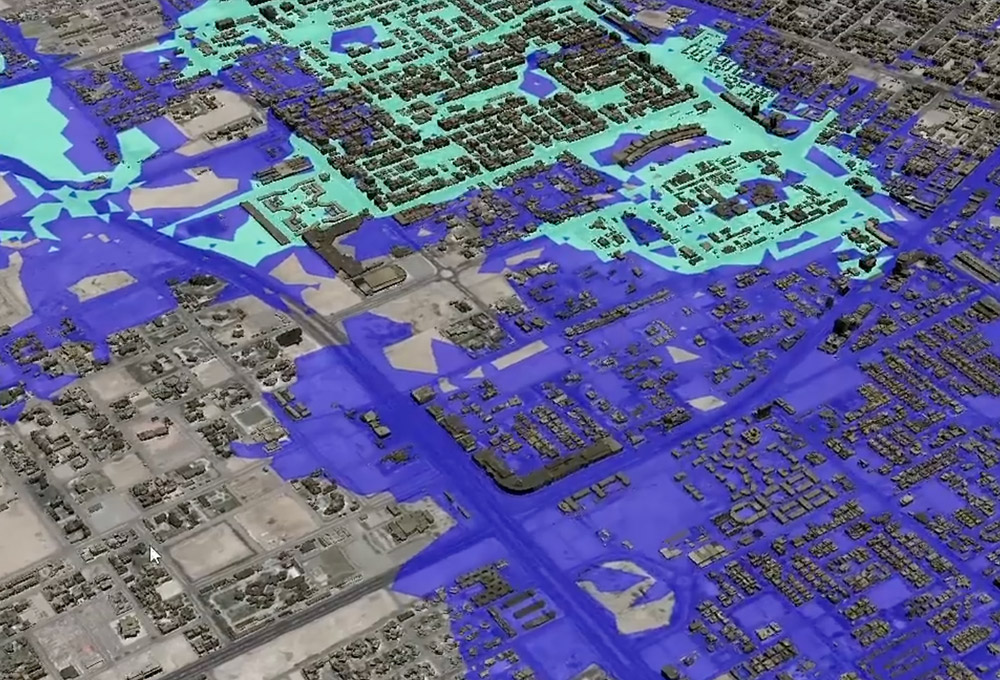
Urban Scenario Simulation
A city-level digital twin platform is established to provide a foundation for simulating administrative operations, urban planning, disaster response, and other future services in virtual environments.