How close is the future we once imagined? You can find out by visiting this event. This is the Consumer Electronics Show (CES). CES is now the largest technology exhibition in the world.
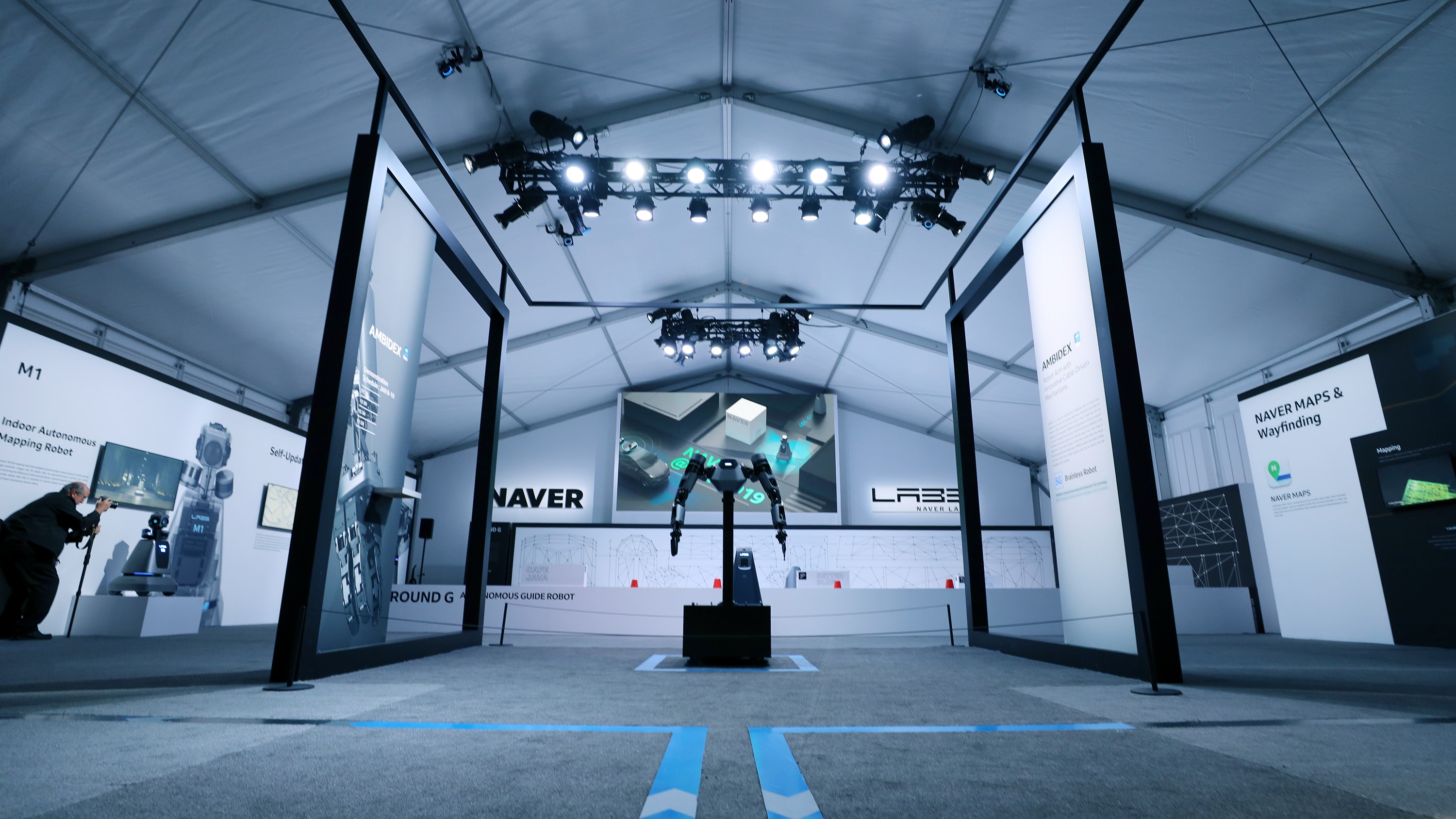
CES 2019 was a special event for NAVER and NAVER LABS because we held our first official booth. We unveiled new technologies that integrated our research results, in areas including robots, autonomous driving, and AI, with 13 new products. Let us introduce the highlights of this exhibition.
5G Brainless Robot: a technology for taking the “brains” of the robot out of its “body”
The main topic of this most CES 2019 was 5G. NAVER LABS gave demonstrations for innovative 5G technologies that could be seen in science fiction movies. It is the 5G Brainless Robot technology.
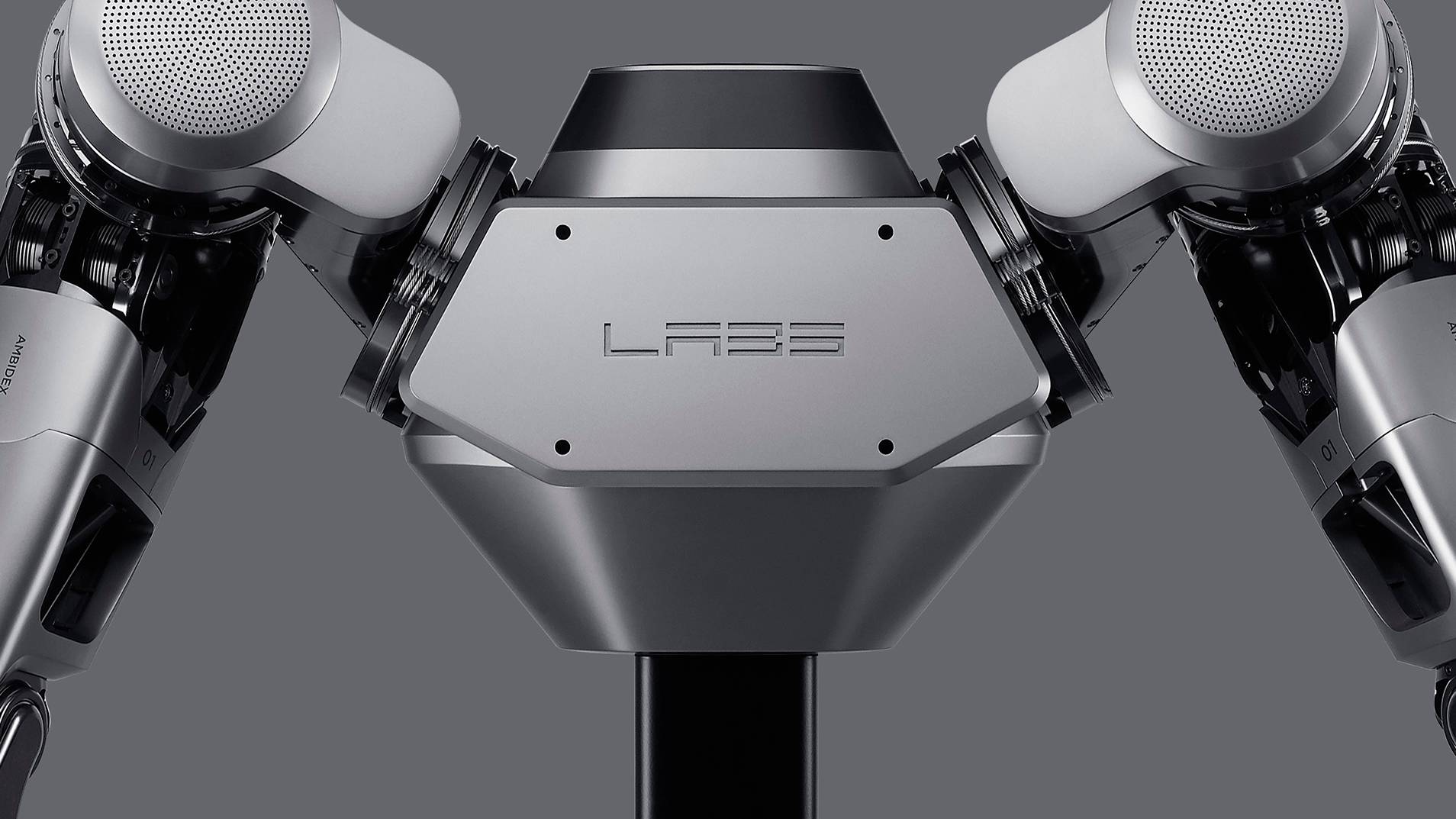
This technology is used to pull the high-performance computers, which function as the robot's “brain,” out of the robot’s “body.” Then, an external cloud connected to a 5G network serves as the robot's brain. The reason this technology received special attention at CES is that we, in collaboration with Qualcomm, were able to achieve high-performance robot control, for the first time in the world, which fully utilized 5G's high-performance.
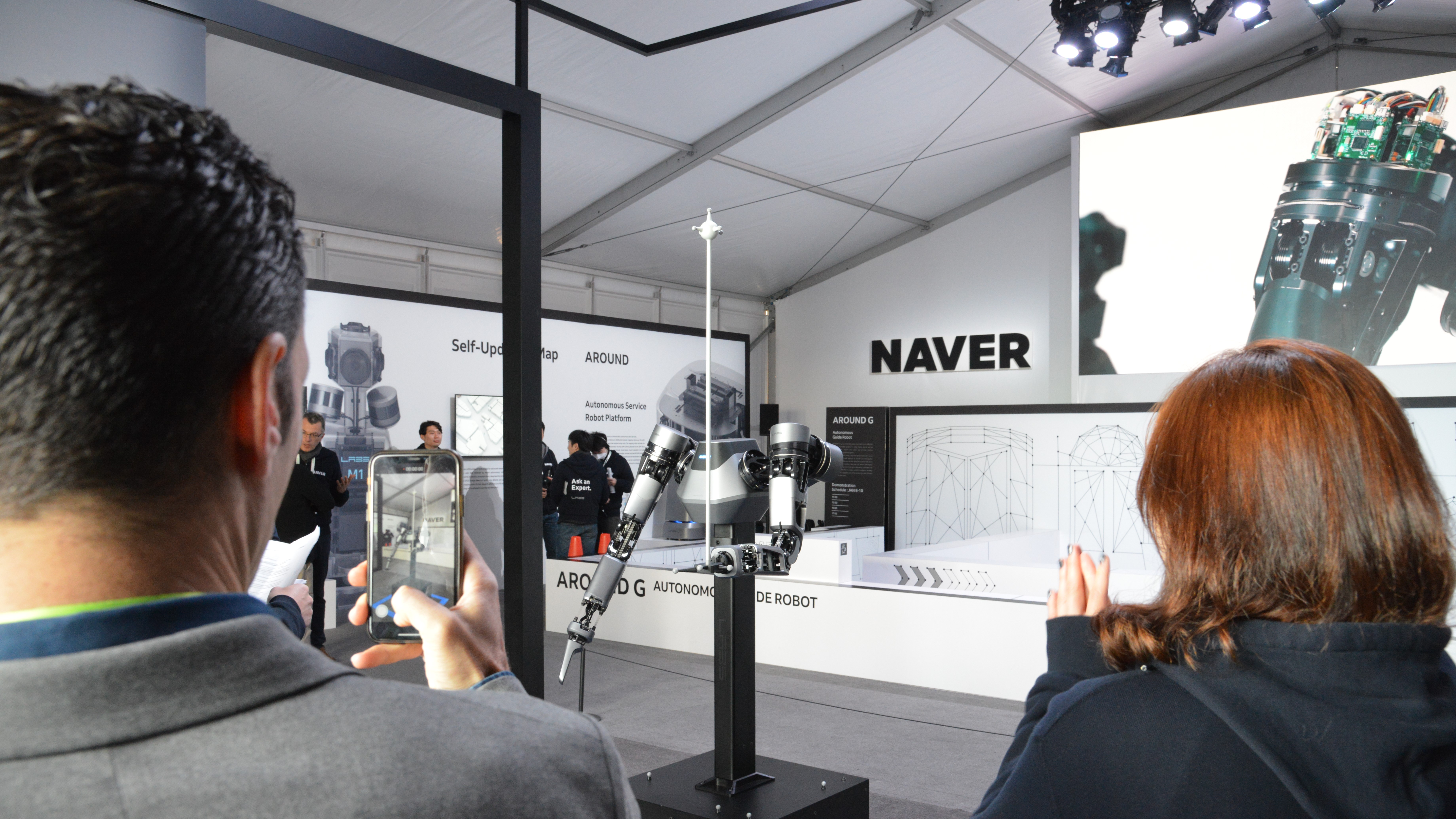
The potential futures use of this technology is innumerable. The NAVER data center can function as the brain of service robots working all over the world. Since multiple robots can be simultaneously controlled, there is no need to install a high-performance processor in each robot. It will become easier to integrate and analyze data collected by multiple robots and to update them simultaneously with new algorithms as they are refined. In many ways, this is a key technology for cloud-based robot services.
> Learn more about 5G Brainless Robots
Hybrid HD Map, a unique HD Map solution for autonomous vehicles
A new technology geared towards autonomous vehicles has also been unveiled. NAVER LABS has been researching autonomous vehicles since 2016 and introduced this Hybrid HD Map technology at CES.
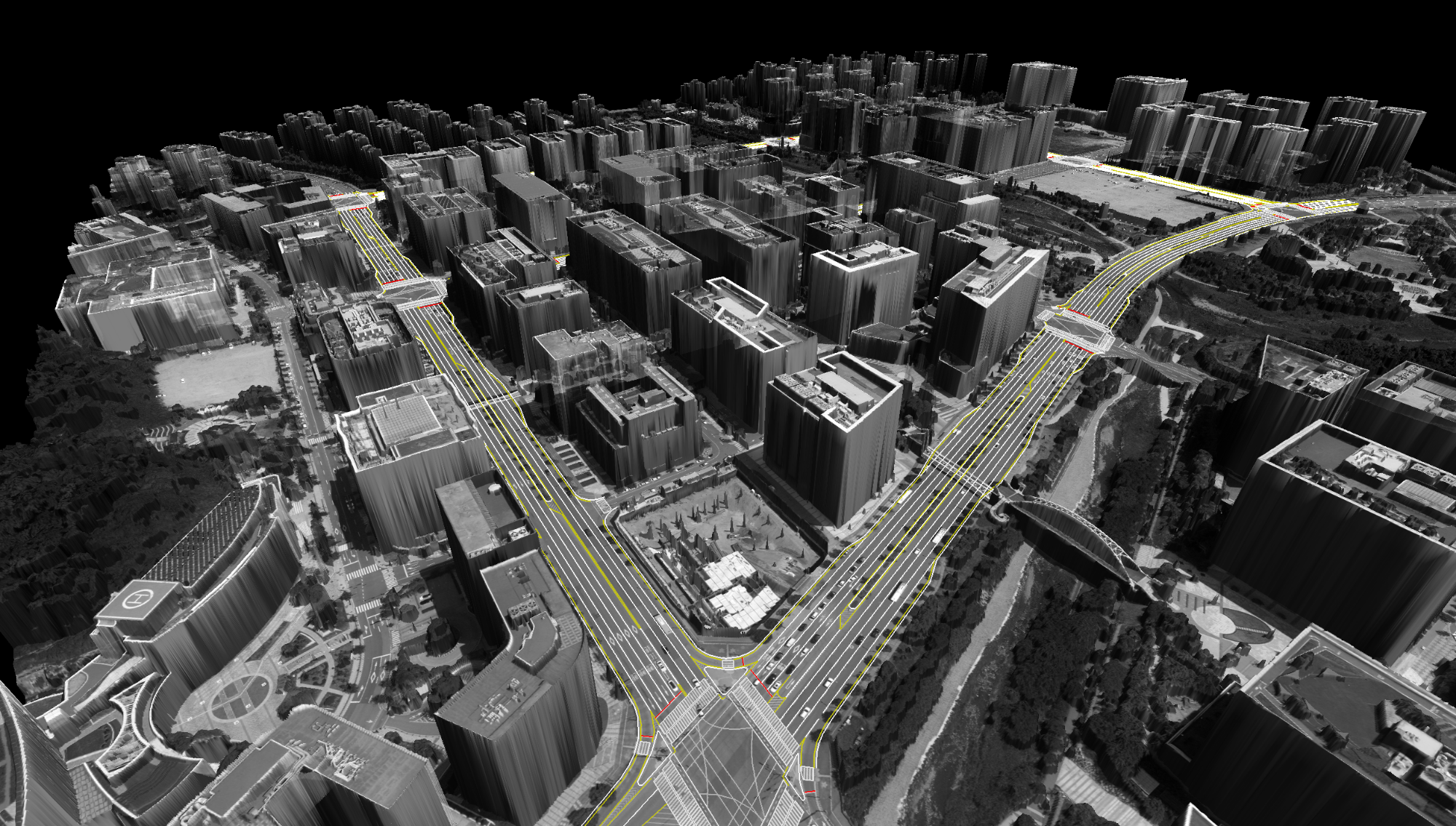
HD Maps are a critical piece of data for autonomous vehicles. Making good use of an HD Map allows the vehicle to know its current location more accurately and to plan routes safely and effectively.
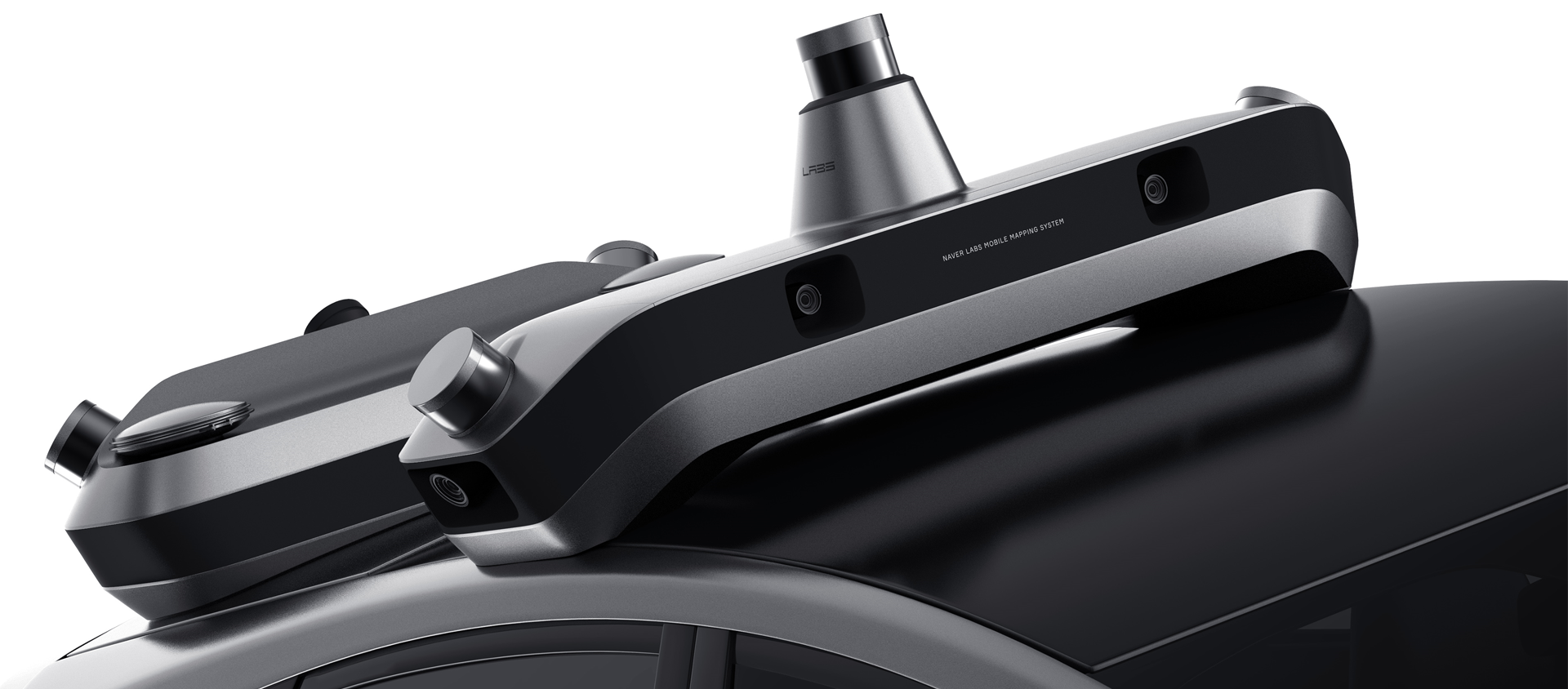
The Hybrid HD Map technology that NAVER LABS has demonstrated is quite novel. Unlike other methods where the HD Map is made elsewhere, NAVER uses aerial photographs taken from airplanes and MMS vehicles together in a two-part process. First, the layout information of the road’s surface is extracted from the aerial photographs. Then, that data is organically combined with data collected by R1, a self-developed MMS (mobile mapping system). It is an effective way to produce a vast HD Map on a city scale more accurately and quickly than ever before.
> Learn more about Hybrid HD Maps
AROUND G: a robot that drives autonomously without using a laser scanner
AROUND G is a robot that guides people through AR in large complex indoor spaces such as shopping malls, airports, and hotels. The indoor autonomous robot is itself no longer a new technology. There were many others at the most recent CES. However, AROUND G has a distinct point of difference. AROUND G does not use an expensive LiDAR (a laser scanner).
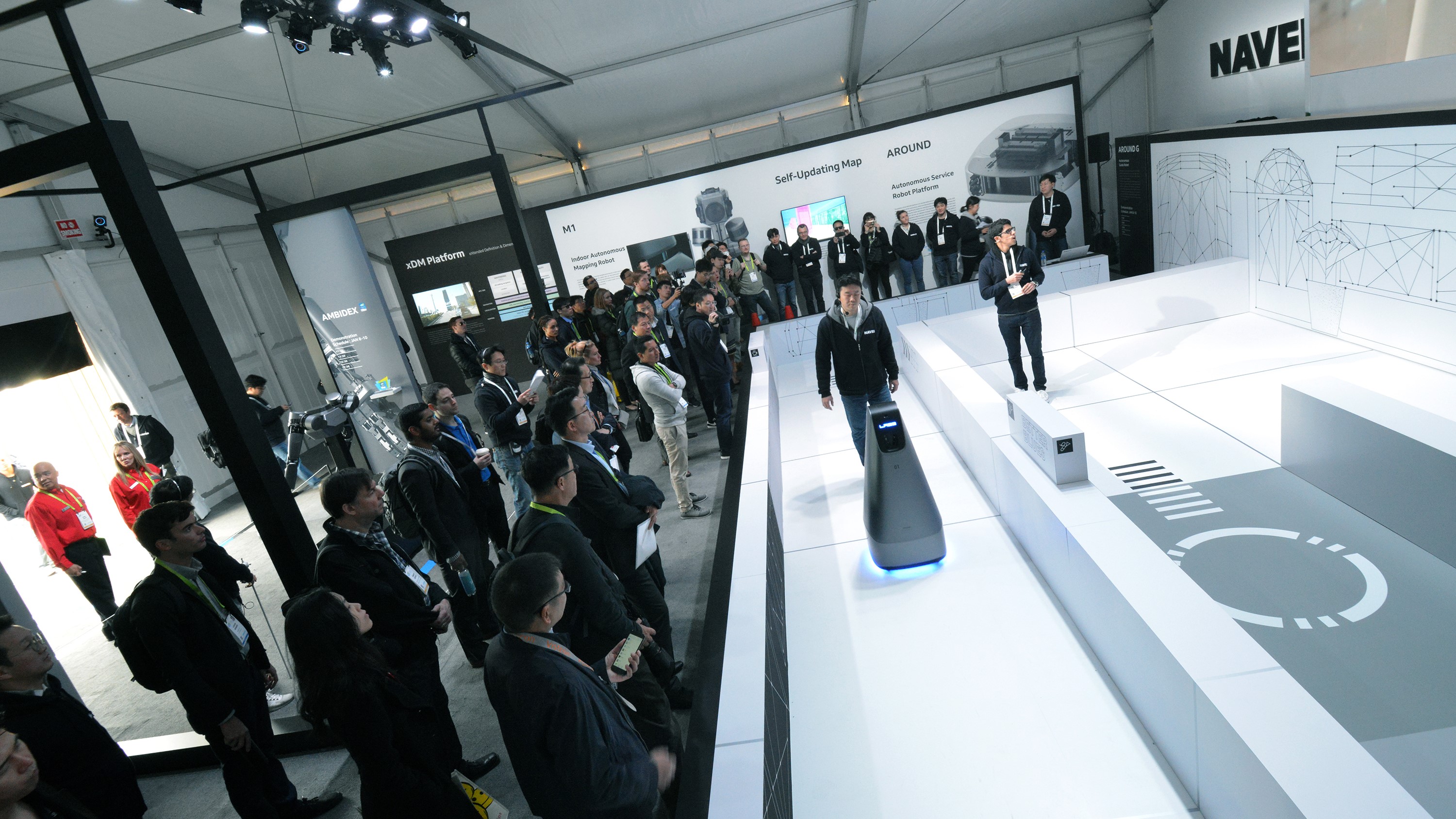
A laser scanner is a device that perceives a robot’s surroundings through the speed at which light strikes objects and is reflected back. Many autonomous machines use this type of sensor. The problem is that it is expensive. What NAVER LABS has been researching is how to make fluid autonomous driving while only using very cheap camera sensors, not expensive equipment. It is because we believe that such technology is needed in order to popularize autonomous robots.
For AROUND G, many of the features required for autonomous robots are handled in a map cloud, and the robot itself is equipped with only low-cost sensors. Even low-cost sensors are sufficient for it to move very fluidly between obstacles and pedestrians because it uses a deep reinforcement learning algorithm. This surprised many companies developing autonomous robots at the recent CES.
AHEAD: a 3D AR HUD
We also drew attention from many automobile manufacturers and electronic parts companies for AHEAD. AHEAD is a 3D AR HUD (head-up display) for vehicles. AHEAD utilizes 3D optical technology that provides information adjusted so it looks like it is on the actual roads right in the driver's natural line of sight.
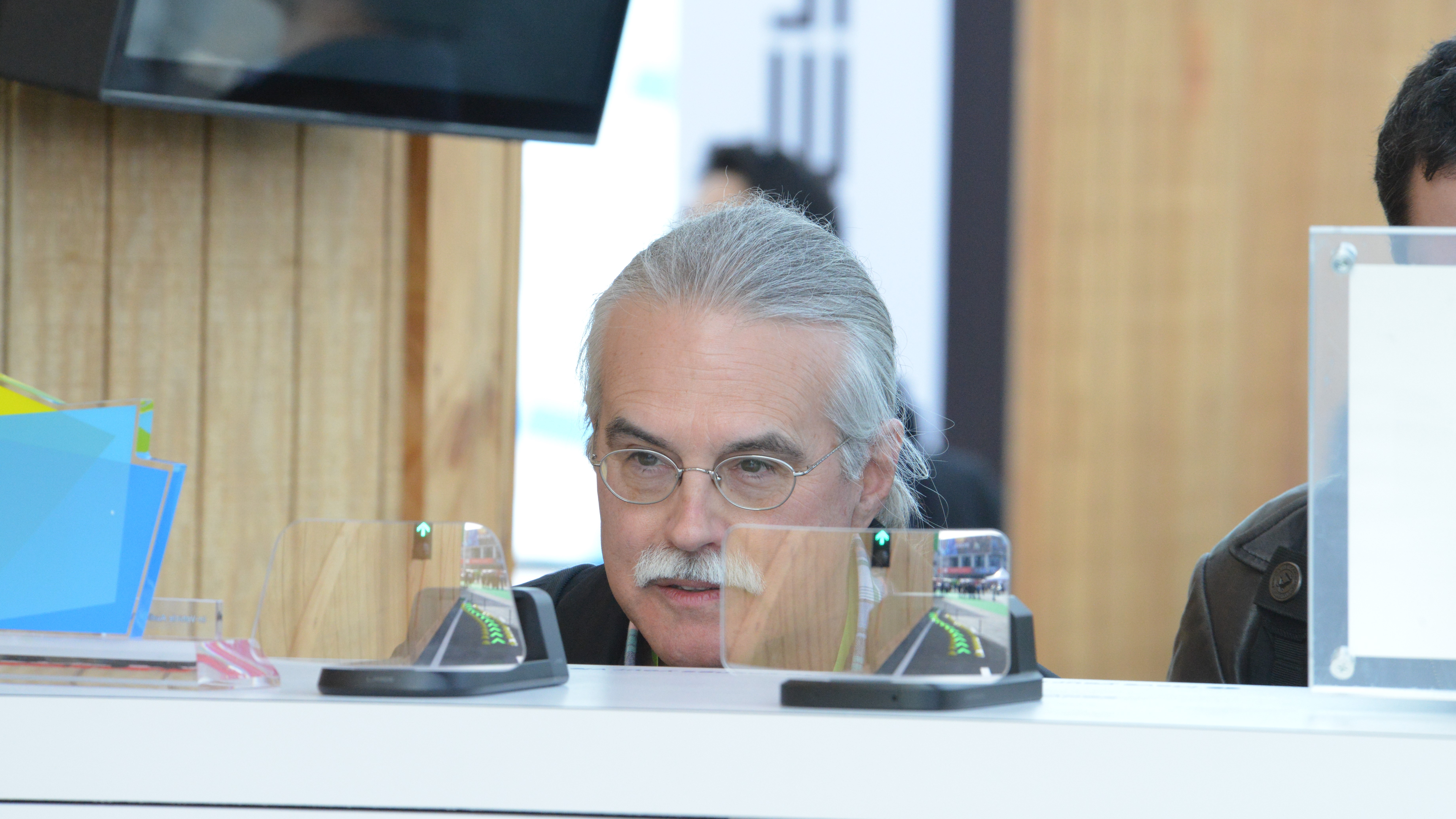
There are many advantages to having the actual road and the display point of information look like they are the same distance. Since the images displayed on AHEAD look as if they actually on the road, the gap that existed between the road that the driver must pay attention to and where they have to look for information on a traditional dashboard is reduced, improving safety.
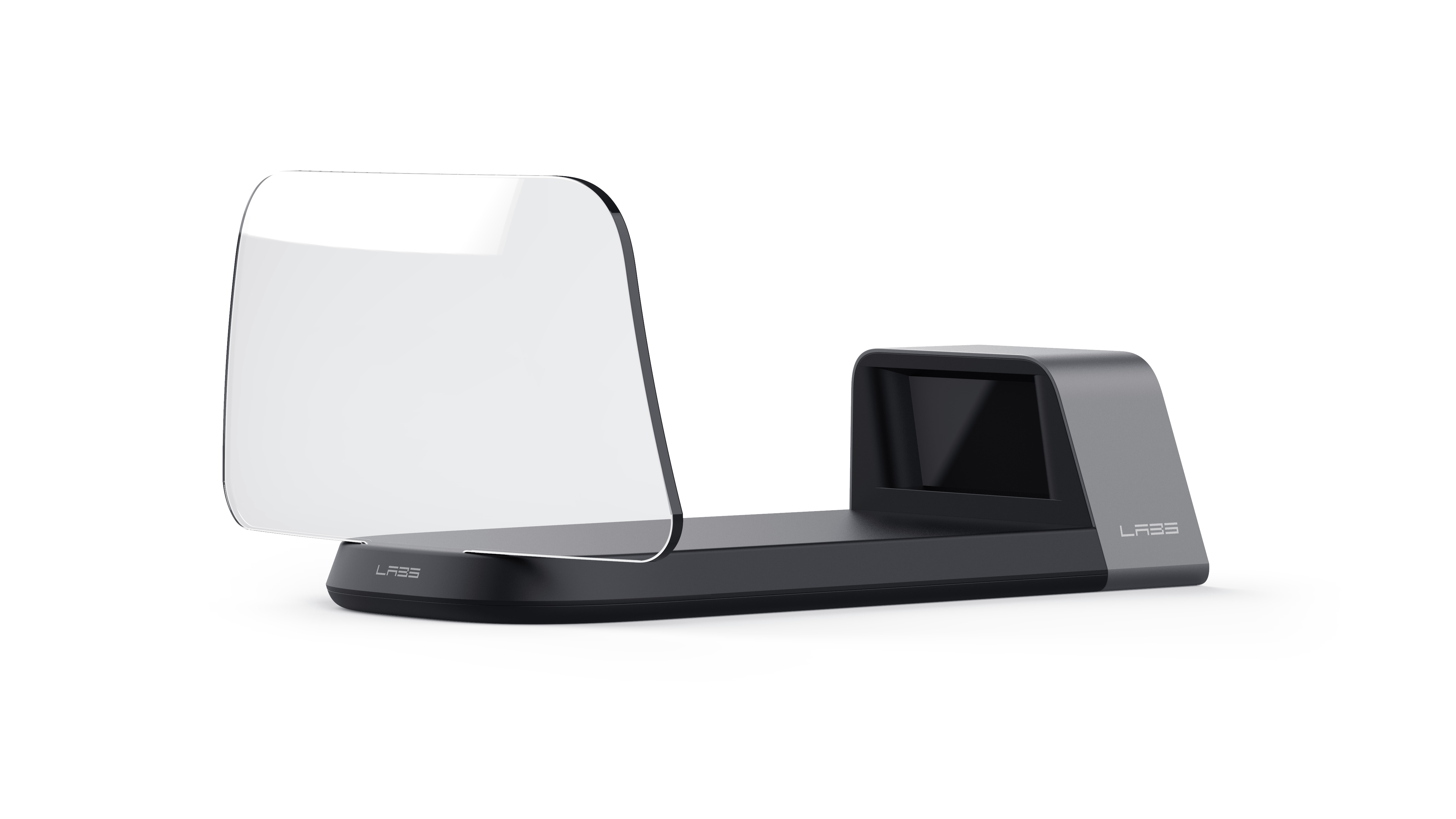
This technology helps solve concerns regarding existing HUDs, where the focal point between the displayed virtual image and the actual road are different which can distract the driver. AHEAD provides information naturally without disturbances and allowing the driver to keep their eyes forward, and can be a new display solution connecting vehicles and information.
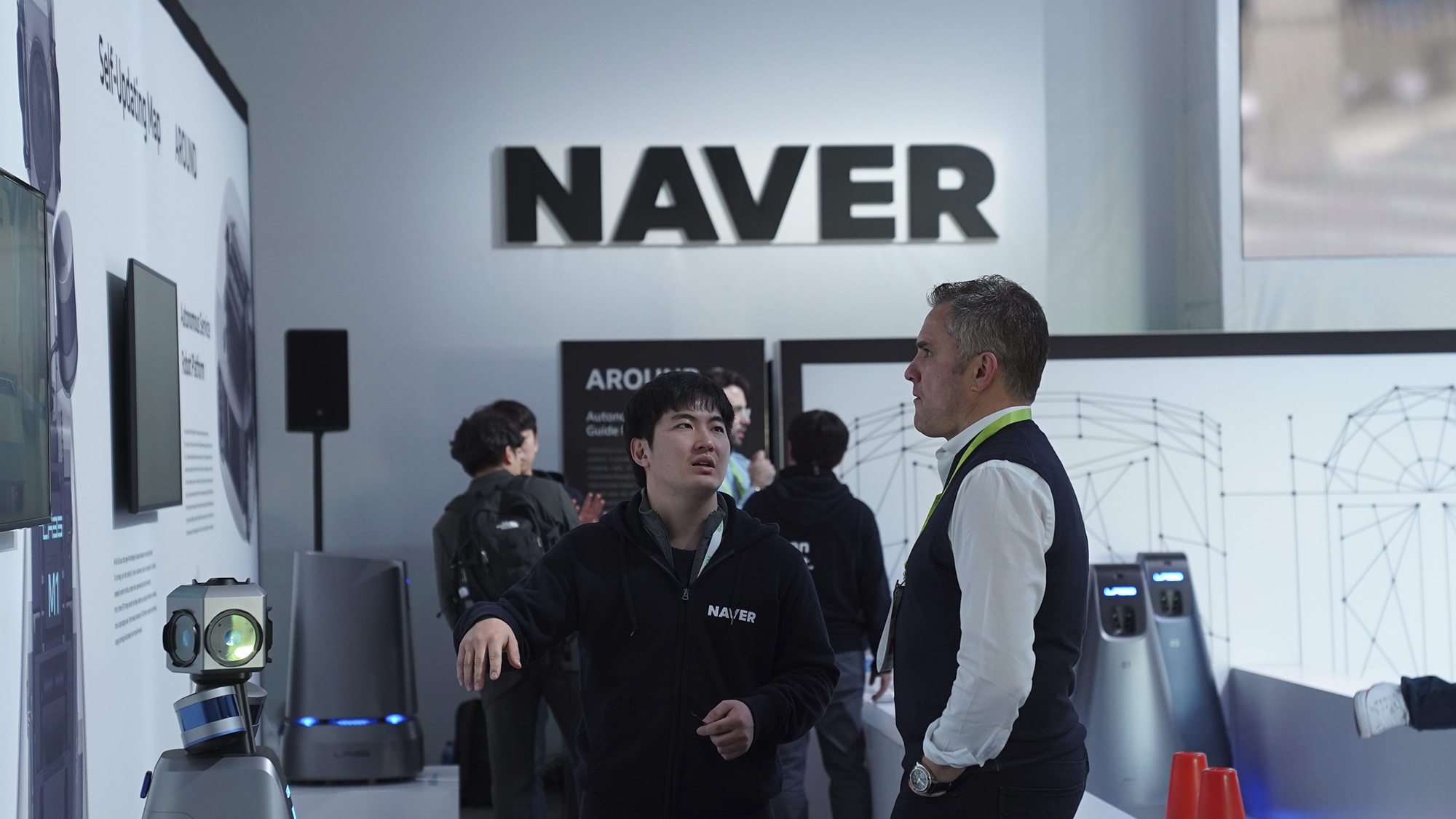
We have also released many other technologies. The future that NAVER LABS has envisioned so far is integrated into a technological vision called ambient intelligence. Ambient Intelligence is a technology that understands user environments beforehand and provides them with the necessary information and services before they even request it. This is the future of NAVER. To this end, we have been researching technology for collecting high-precision data, such as indoor paths and roads, and using it to provide information and services through various robots and computing
devices.
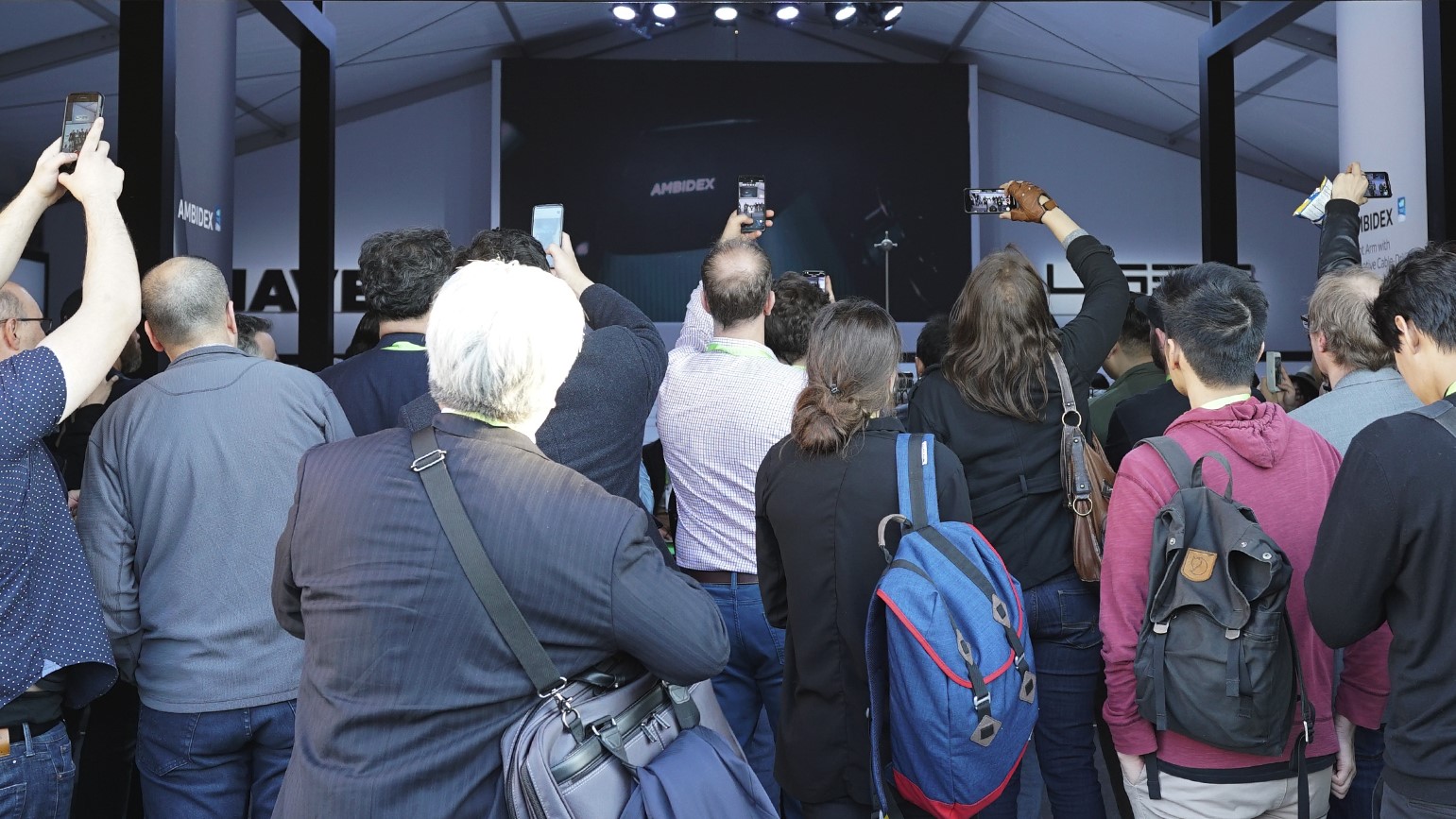
"You mean to say that all this was developed by NAVER?"
This was a question asked by a person who was happy to find the familiar NAVER logo at CES and visited our booth. Perhaps, as much as he was familiar with NAVER, he was also excited and surprised to discover the new technologies that we exhibited. There are still many people we find who are unfamiliar with the fact that NAVER is developing robots and researching autonomous technologies. However, these are the technologies we need to prepare for the future. These key technologies will be mixed into future NAVER services and will provide users with information and services in new ways. That is why they fit the theme of this exhibition, "the possibilities of new connections and discoveries through technology."
In addition to the technologies introduced above, you can find more information about exhibits displayed at CES <here>.