ARC mind is a robot OS jointly developed by NAVER Cloud and NAVER LABS based on the NAVER Whale OS. It features a highly scalable development environment based on a web platform, robot-specific web APIs for hardware control, and various solutions from the NAVER Cloud Platform.
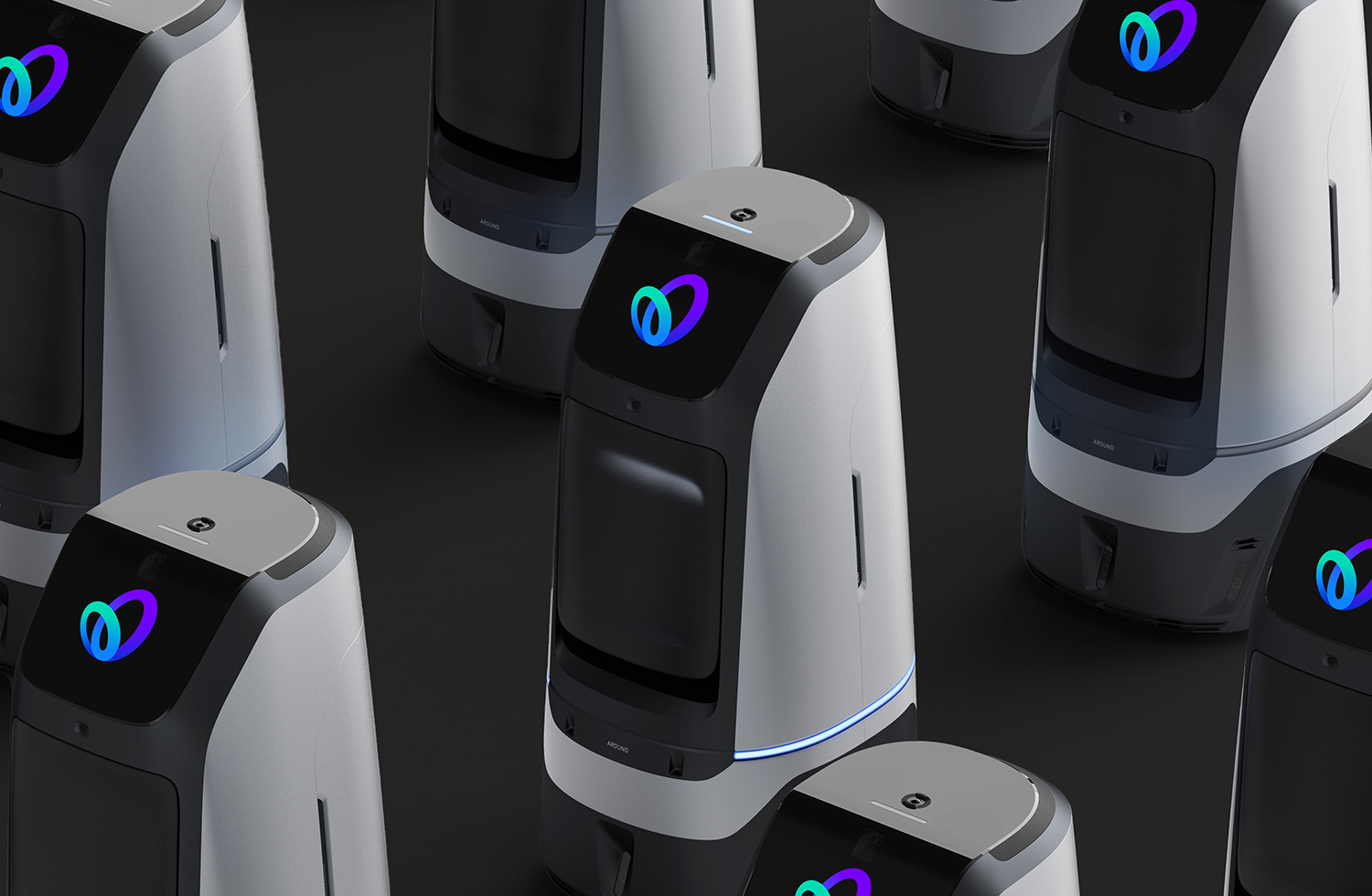
NAVER Cloud's Whale Engine team responded by saying "The web is a universal platform that is not dependent on a specific platform and has excellent compatibility and high productivity," adding that "ARC mind will be a turning point for global web developers to easily jump into robot service development." The Whale OS can be used for multiple purposes in a variety of environments such as computers, kiosks, electronic whiteboards, vehicles, etc. and has also been applied in Whalebook, an educational device that has been used in schools across the country since 2021.
Several companies and organizations have attempted to utilize the web platform environment on various devices, including robots, but ARC mind is the first OS optimized for robots. NAVER LABS' robot SW team commented "ARC mind combines features and development environments specific to robots with the Whale OS base," emphasizing that "Because robots need to interact directly with people in the physical space, unlike smartphones or computers which have no motors, it was necessary to develop a dedicated OS optimized for this."
Endless expansion into the web platform
ARC mind aims to pave the way for the popularization of robots by facilitating the development of various services. How is this possible? Decoupling and connecting are the key concepts.
Firstly, "decoupling." What has been the status quo? We had to develop serevices specific to each robot. Each service was dependent on a certain robot, making expansion difficult. The inefficiency of having to develop a new service every single time only results in a cumulative graph. To meet the explosive increase demand in the future, this bond needed to be broken at some point. On response, ARC mind separates service development from robot development, allowing developers to focus only on robot development.
So, who will develop the separated services? Cultivating a new pool of developers is unrealistic. Instead, we can simply "connect" with web developers. Web developers are the largest group of developers on the planet, with relatively low language and cultural barriers. ARC mind is the gateway to connect web developers worldwide to the world of robot service development.
Procuring a pool of web developers will be the inflection point that will simultaneously increase the quantity and quality of robot services, because numerous service applications can be easily connected to robots around the world and infinite services can be derived from various combinations, just like what has happened with smartphones over the past few years.
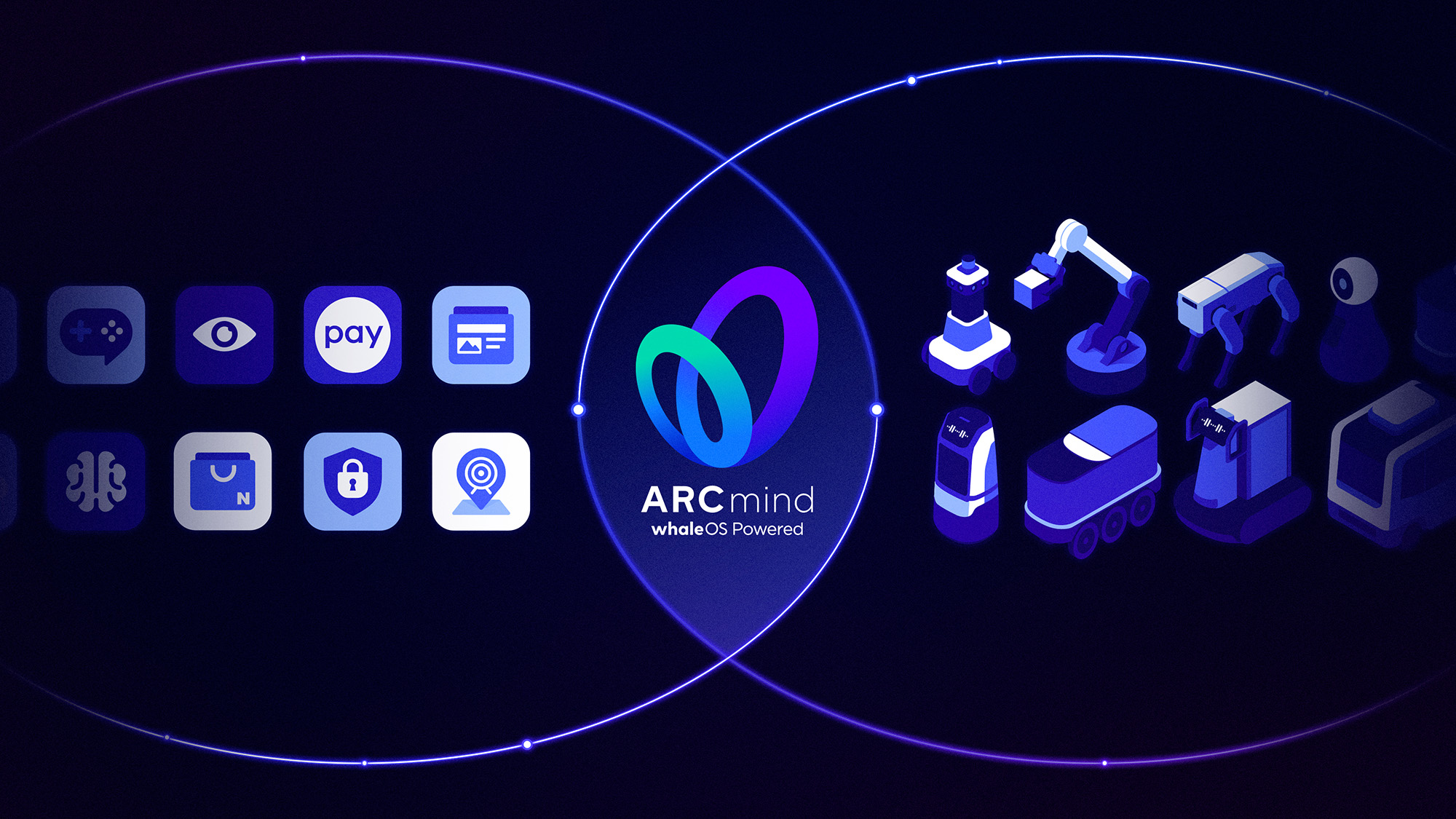
For example, delivery through robots also requires services with scenarios that vary based on the location and environment. Until now, each had to be developed individually. However, using ARC mind, endless variations of delivery services can be created by combining the latest web applications such as reservations, order, payment, map, facial recognition, voice recognition, and voice synthesis as needed. Moreover, because updates and deployments are simple, it is easier to make improvements and attempt new approaches that increase user satisfaction.
An operating system for robots
So, what does it mean when we say ARC mind is an “OS for robots”? While web platform-based OS can be utilized on a variety of devices, most of the target devices have been smartphones or PCs. It is true that little consideration has been given to the characteristics of mobile and moving robots, but this is probably because there haven't been many robots in our everyday lives until now.
In order for the numerous software on the web platform to be successfully integrated into robot services, some factors are necessary: web APIs specialized for robot perception, motion, and movement, which ARC mind faithfully provides. These capabilities are based on an understanding of the unique hardware of robots, the spaces in which they operate, and the people who interact with them. As mentioned earlier, ARC mind is a collaboration between NAVER Cloud's Whale OS engineers and NAVER LABS' robot SW engineers, and there is no synergy more reliable than this.
In addition, NAVER's second headquarters, 1784, is the world's first robot-friendly building and a huge testbed where more than 100 robots provide various services daily. This is also where ARC mind was created and will continue to be updated in the future.
The future comes from intersection
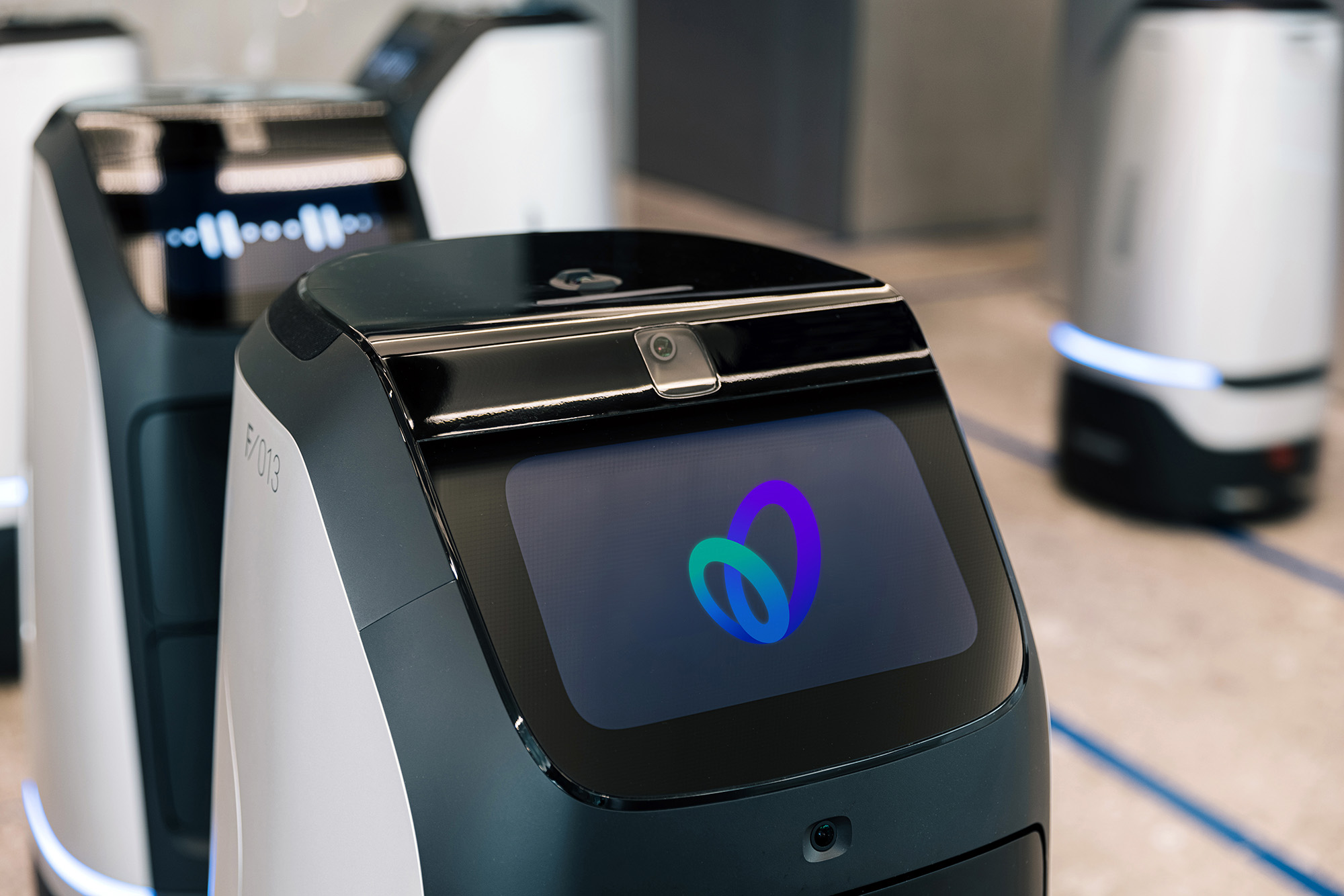
ARC mind will first be applied to NAVER's robots and then provided to partner companies' robots and platforms. Ultimately, our goal is to privde ARC mind as an open platform. Do we have a long way to go? No, in fact, the path has been significantly reduced. Rather than one or two robots in a limited space, the future roadmap for NAVER's robot technology lies in a smart city where numerous robots coexist in everyday lives. Through ARC mind, we have discovered a remarkable shortcut at the intersection of robot service development and the web ecosystem.
There were two ARCs before ARC mind: ARC eye, which acts as the eyes of the robots and provides location and path information, and ARC brain, which acts as the brain of the robots and manages them in real-time while integrating the building infrastructure. These two systems efficiently control a large number of heterogeneous robots through low-latency communication in the cloud. The newly introduced ARC mind is an operating system installed individually on edge devices—i.e. robots. It is a relationship that resonates again after maximizing the roles in each area of the cloud and edge. Where else can these strategic ideas be implemented with advanced technologies, integrated into in-house systems, and tested at scale? It is undoubtably certain that NAVER is at the forefront of this. And for now, it may even be true that NAVER is the only one capable of realizing this.