NAVER’s robotics research aims to help humans work together in harmony with robots in their everyday lives. NAVER conducts research on AI that enables robots to learn how to see, act, and interact, cloud-enabled autonomous robot platforms, and human-robot interaction technologies designed to enhance user experience.
AI for Robotics
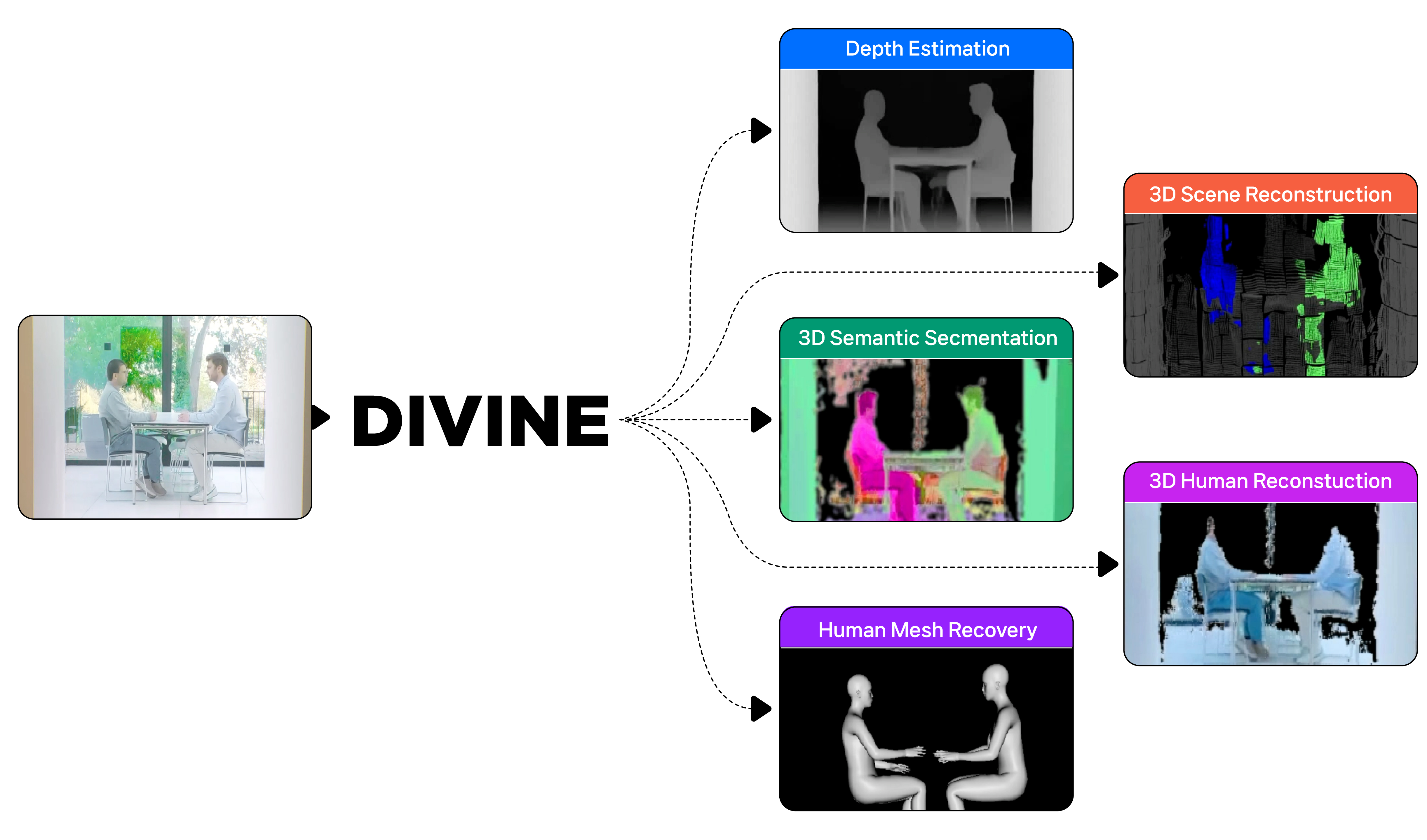
NAVER uses AI to train robots in the capabilities they need to see, move, and communicate. Prime examples of such technologies include DUSt3R, a vision foundation model, and DIVINE, a universal AI encoder.
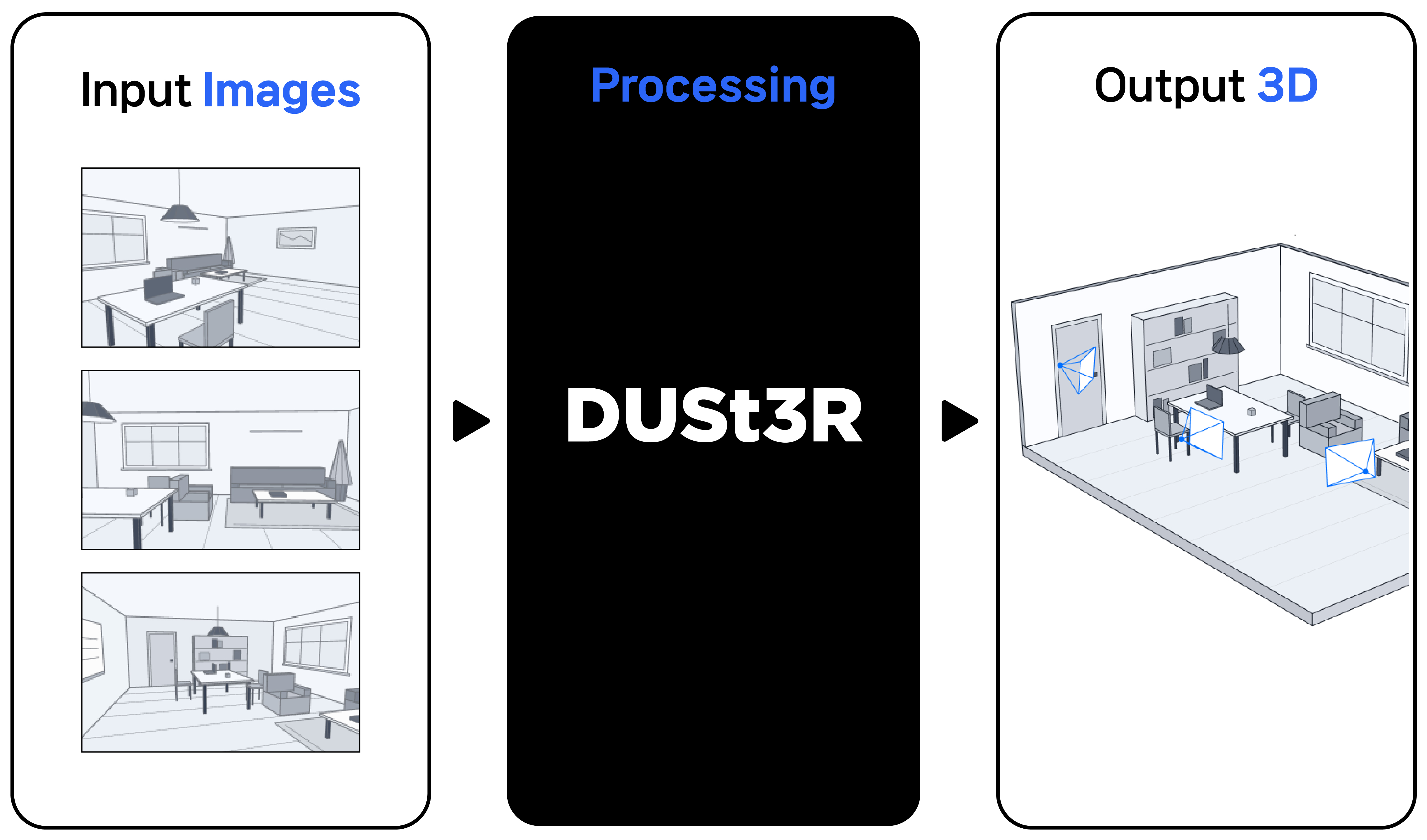
DUSt3R can easily reconstruct a space in 3D from one or more 2D images of the given space, supporting robots’ spatial understanding.
DIVINE, a universal encoder for robots, reduces on-robot computation to reduce structural redundancy and complexity in robot AI systems.
Cloud Robotics
NAVER develops its own cloud-enabled autonomous driving robot platform. This platform uses the cloud, such as data centers, as the robot’s brain – allowing for multiple robots to be controlled simultaneously, efficiently, and with high precision.
NAVER’s platform has been validated in a wide range of environments, including 1784, Tokyo Midtown Yaesu, and New Murabba. The platform continues to be applied and advanced in other real-world services.
Robot HW Platforms
NAVER validates and advances new technologies through a range of robot hardware platforms.
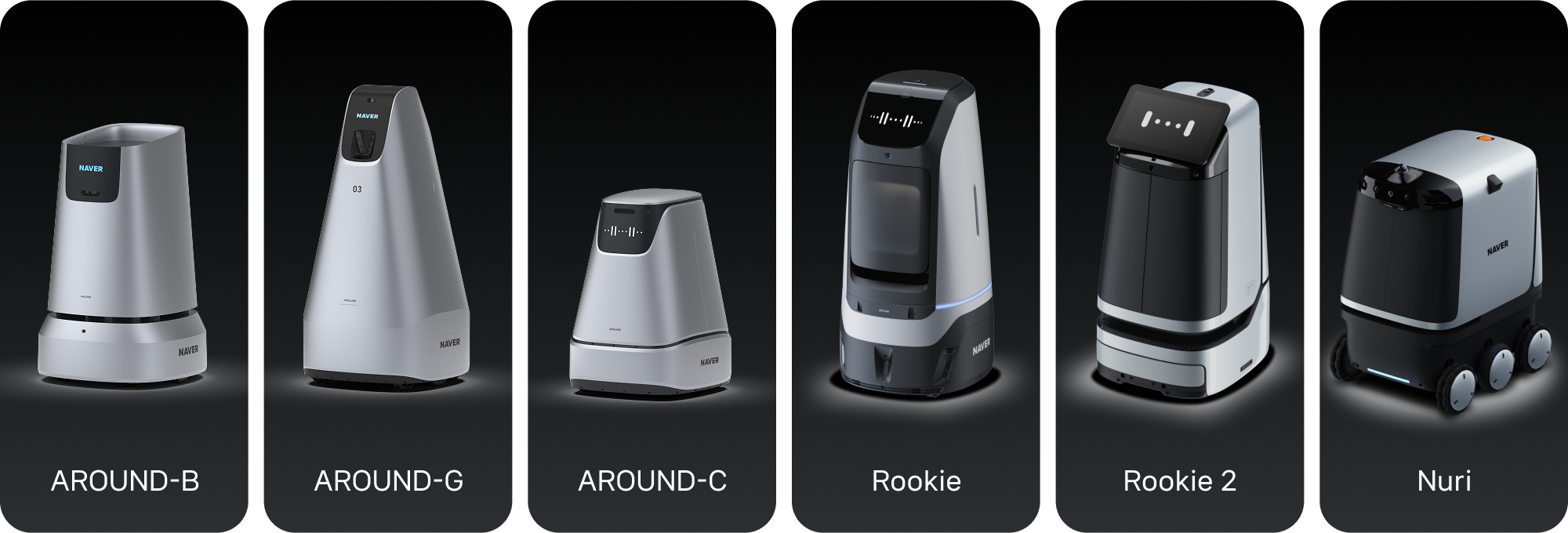
The AROUND series is a platform NAVER has researched and field-tested for the widespread adoption of autonomous driving services. Built on a common autonomous driving technology, AROUND has expanded into different additions to the series, such as AROUND B for transporting books, AROUND G for wayfinding, and AROUND C for coffee delivery services.
Building on the development of the AROUND series, NAVER introduced Rookie, a service robot that performs a wide range of tasks at 1784, including package, lunch box, coffee, and convenience store item deliveries. The operational experience gained from Rookie has been incorporated into Rookie 2, designed for future deployment on the global stage.
NAVER has also developed different hardware platforms, such as GaRo, a large AROUND robot that transports heavy assets at NAVER’s hyperscale data center GAK Sejong, and Nuri, an outdoor delivery robot capable of maneuvering through complex urban environments.
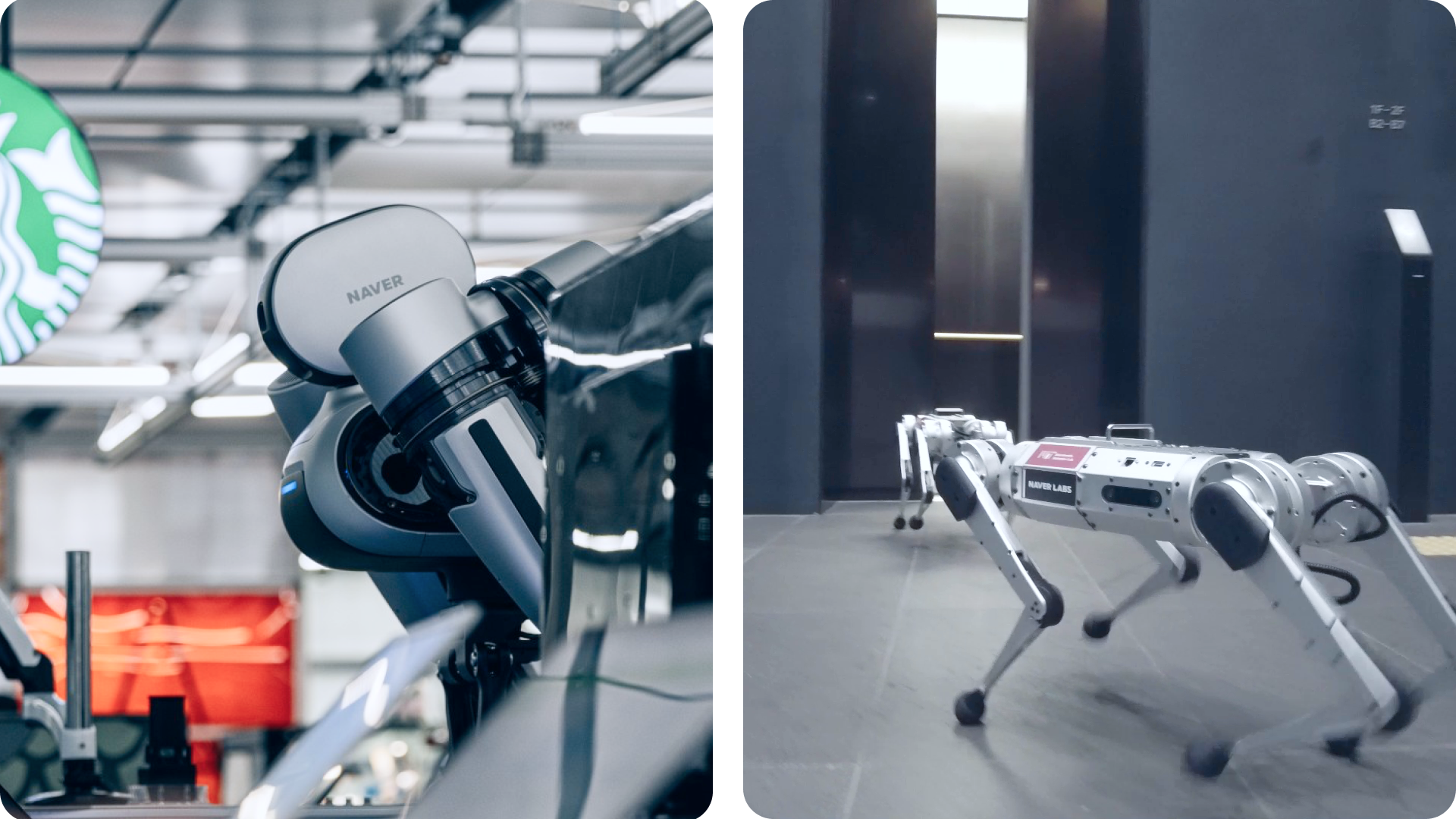
(Left) AMBIDEX, (Right) MIT Mini Cheetah
NAVER also develops research platforms through industry-academia collaboration. Prime examples include AMBIDEX, an ambidextrous robot designed to interact safely with humans, and MIT Mini Cheetah, a quadruped robot that can move naturally across various types of terrain.
Human-Robot Interaction
NAVER’s robots are equipped with human-robot interaction technology for natural interaction with people.
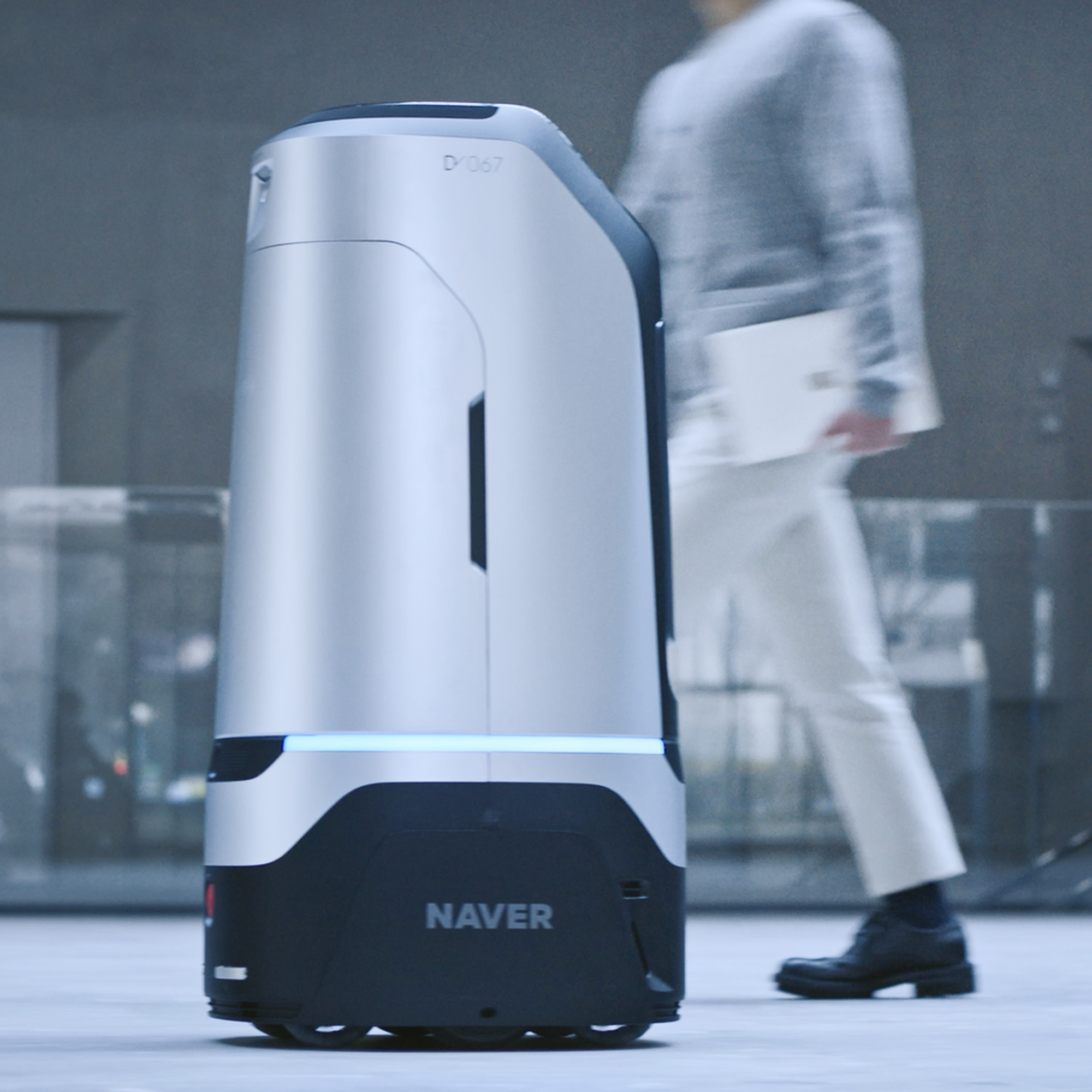
In narrow passages, NAVER's robots assess their surroundings and slow down or give way when needed, while analyzing the flow of people and adjusting their routes accordingly in crowded spaces such as elevators. Going beyond simply avoiding collisions, NAVER's robots are evolving to understand their surroundings and human behavior, anticipate people's intentions, and respond accordingly.
Platform & OS
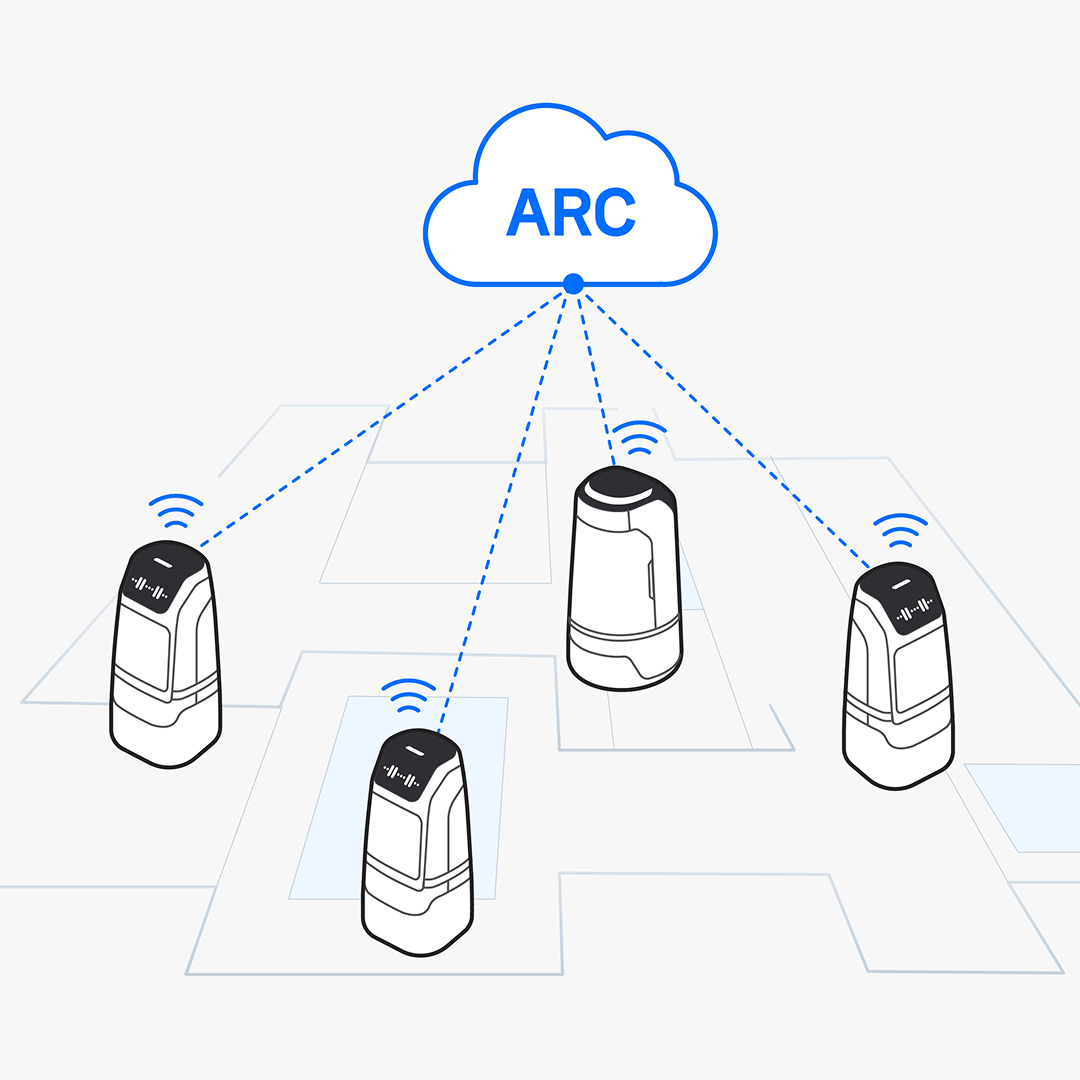
“ARC” is a multi-robot platform that enables multiple robots to carry out real-world tasks, connecting various robots and services onto a single platform and OS to expand the robot service ecosystem.
■ ARC eye
ARC eye creates digital twins of spaces and provides robots with their location and routes. With ARC eye, digital twin data for large-scale indoor and outdoor spaces can be built and used for AR, smart buildings, smart cities, and robots.
■ ARC brain
ARC brain is a multi-robot platform for controlling, managing, and monitoring multiple robots of different models operating in large-scale spaces. Robots that provide services in 1784 are integrated with building infrastructure such as elevators and are controlled reliably through ARC brain.
■ ARC mind
ARC mind is a robot OS that provides an environment where robot services can be developed easily. Built on a web platform, it offers high scalability and provides solutions and web APIs specific to robots for hardware control.