The Kansong Art Museum preserves and studies the cultural heritage collected and safeguarded by Kansong Jeon Hyeong-pil. Using its spatial AI technology, NAVER LABS has recorded the museum’s spaces and exhibits as 3D data.
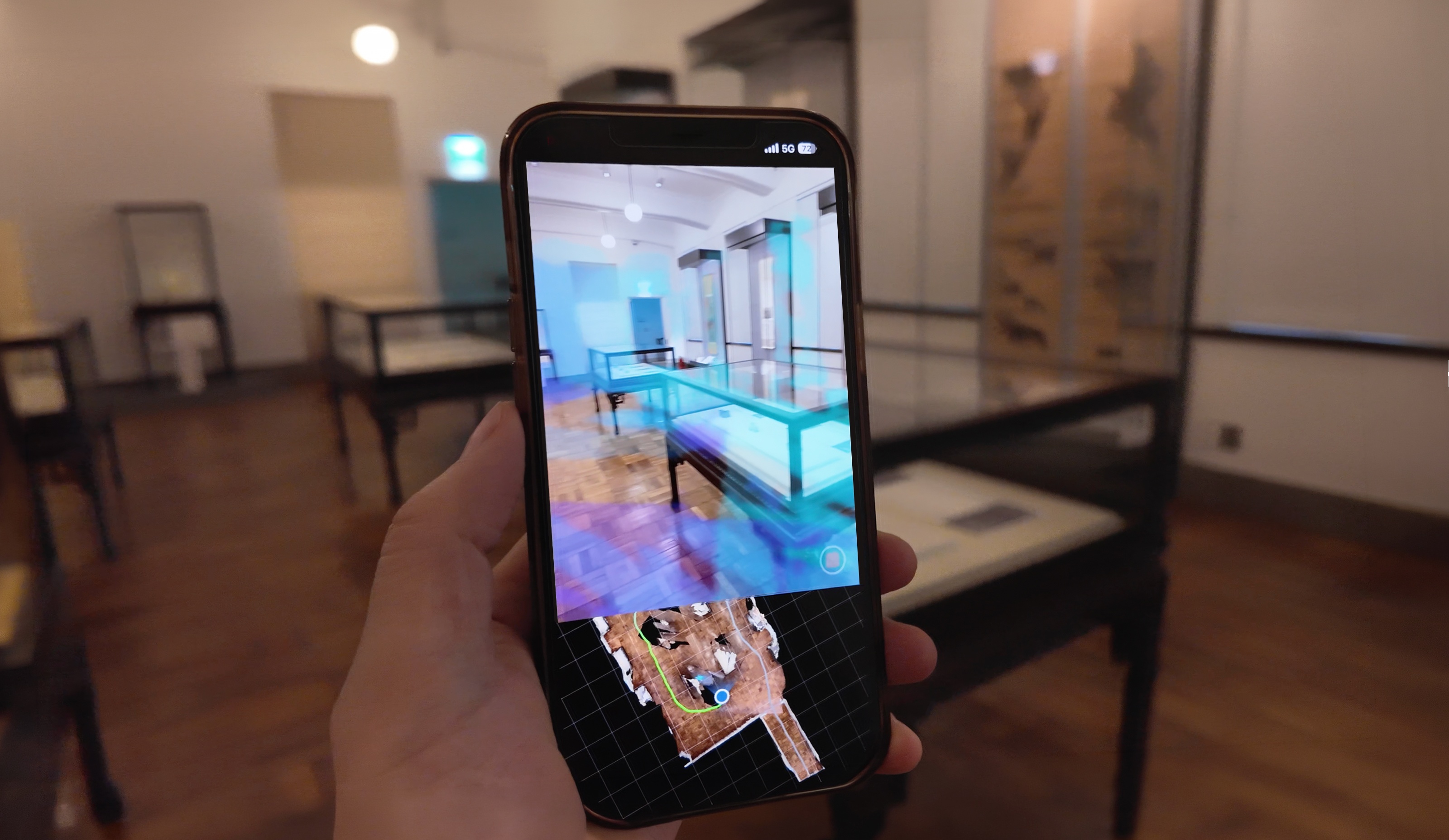
The ARC eye Scan app enables mapping with just a smartphone
Capturing Everything from Exhibits to Spaces in 3D
Documenting a museum means capturing not only individual exhibits but also the spaces in which they’re displayed. NAVER LABS used its T3 mapping device for larger spaces and smartphone-based mapping for smaller ones. This approach records each exhibit’s form, its location, and the surrounding space within a single dataset.
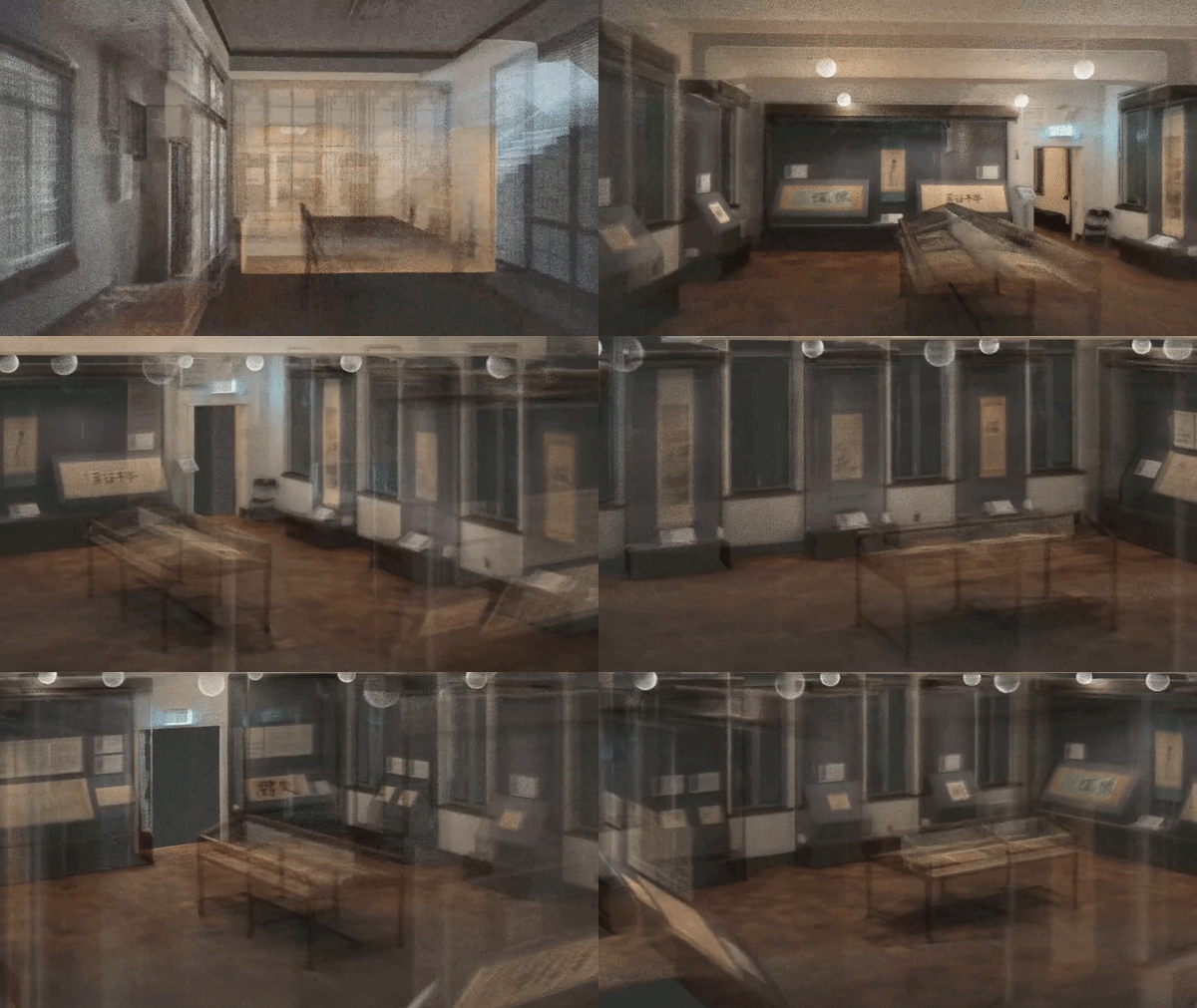
For smartphone-based mapping, NAVER LABS uses the ARC eye Scan app. With just a smartphone and no specialized equipment, users can scan spaces, upload data, and review the results. In spaces roughly the size of a small office, the app provides positioning accuracy comparable to that of professional mapping equipment.
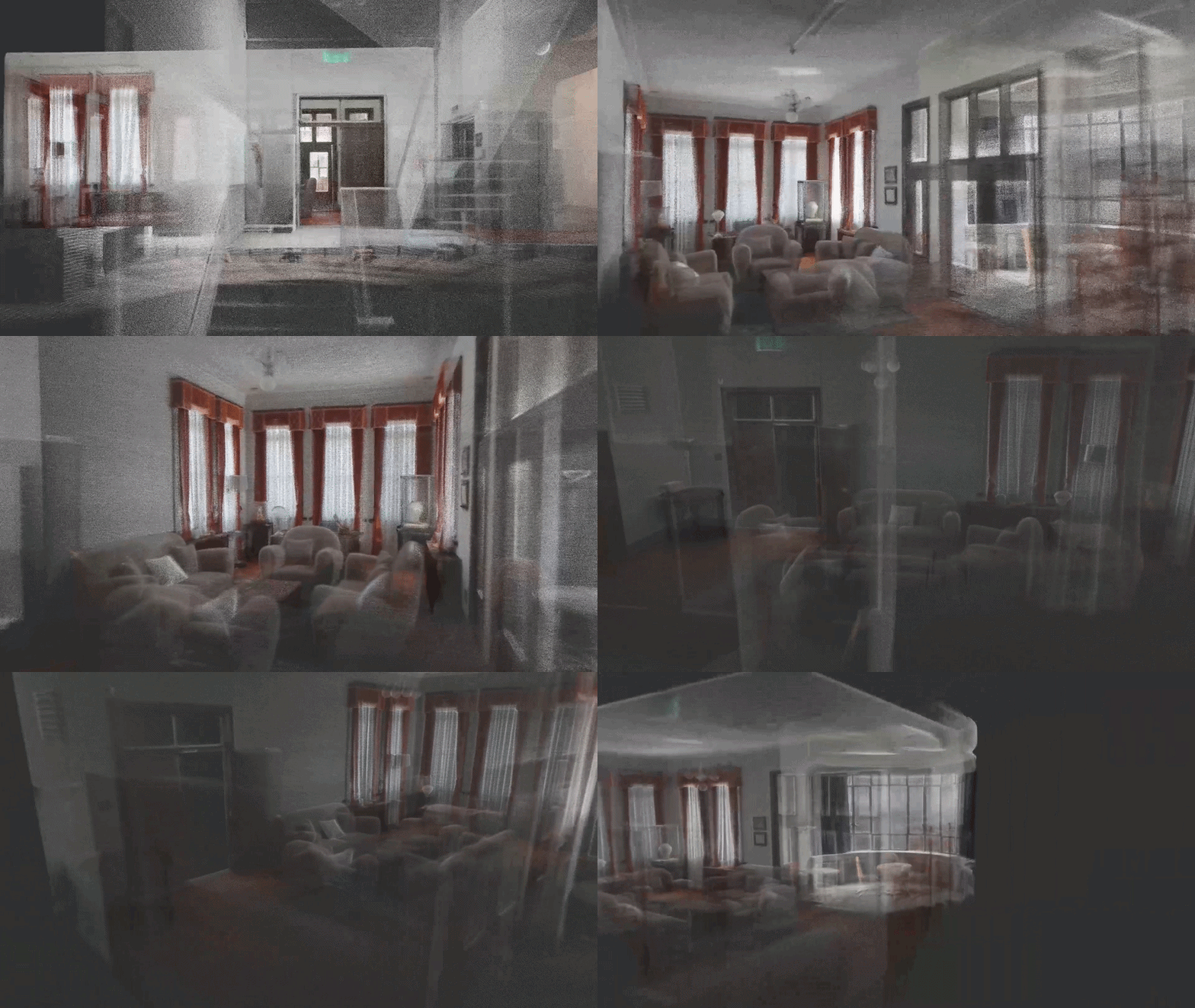
A New Way to Archive History and Culture
The significance of this spatial archiving is also evident in a Qing Dynasty stone lion statue that Kansong Art Museum donated to China. After being given as a pledge of continued exchange with China, the statue has since left the museum, but it has been permanently preserved as 3D digital heritage.
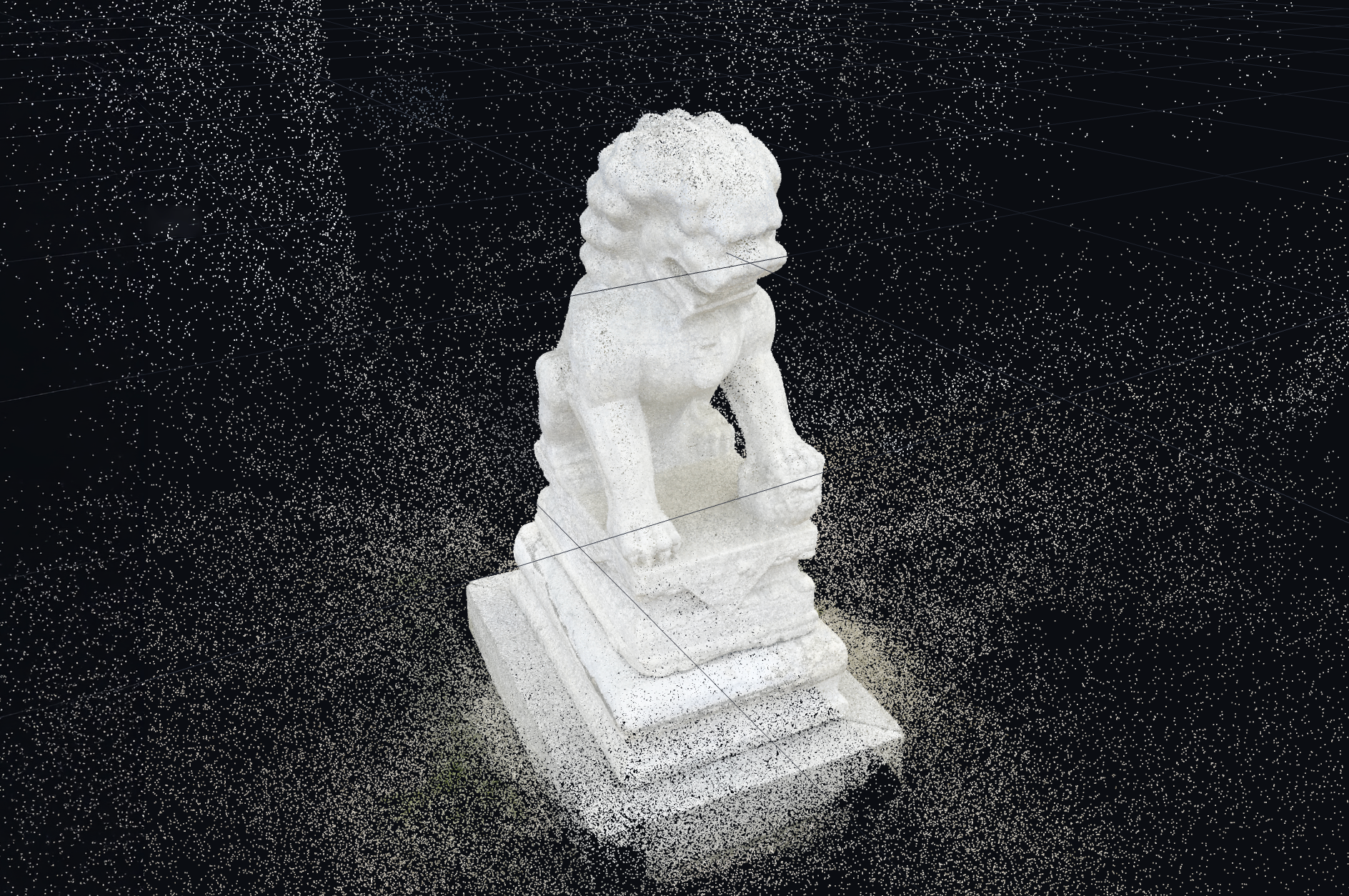
The stone lion statue, digitally archived with the ARC eye Scan app
NAVER has long pursued digital archiving to preserve information and make it more accessible, including NAVER News Library, which brought print newspapers into digital form. Spatial AI extends this effort into 3D. By recording not only the appearance of individual heritage objects but also their relationship to the surrounding space, it allows them to be revisited long after time has passed or places have changed.